FWA Voices
FWA Voices celebrates and amplifies the stories, perspectives, and accomplishments of the FWA community.
Discover real stories, career paths, and insights from women in finance - highlighting leadership, professional growth, and diverse experiences across the industry.
Don't miss our latest features! Follow us on your favorite social media platforms.
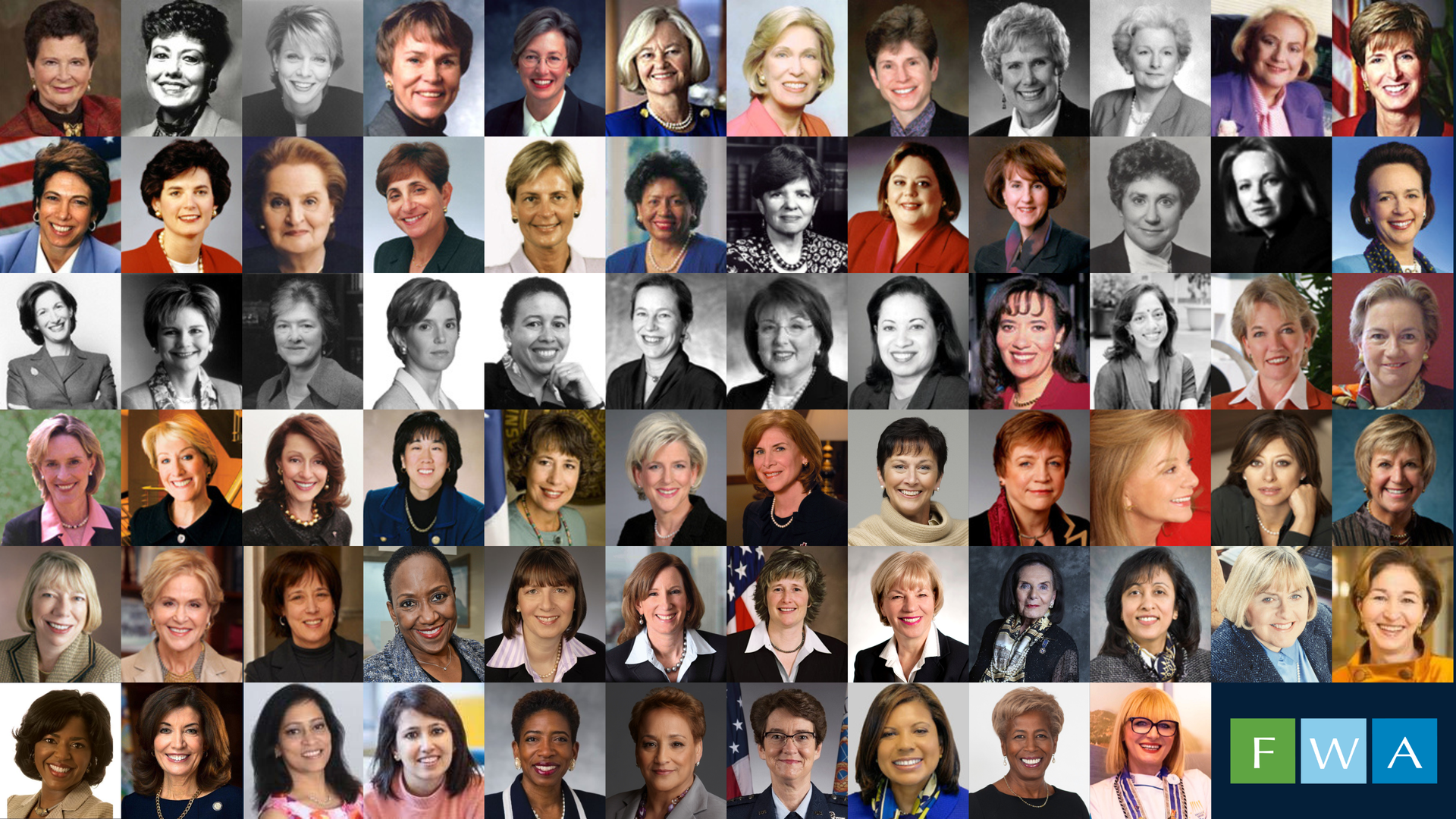
Every March, Women’s History Month invites us to reflect on the women who challenged expectations, opened doors, and changed the course of industries that once excluded them. For the Financial Women’s Association, that reflection is personal. As the organization celebrates its 70th anniversary, the story of FWA mirrors the broader story of women’s progress in finance. What began in 1956 with eight determined women has grown into a global community that has helped generations of women enter, navigate, and lead in an industry that once shut them out. Those eight enterprising women did something quietly radical. They were working inside investment banks and financial institutions at a time when their talent was welcome, but their presence in leadership circles was not. The established financial association of the day did not admit women. Access to the conversations, relationships, and influence that shaped the industry flowed through rooms they were not allowed to enter. So they built their own. What began as an act of determination became the Financial Women’s Association, a community designed to support women in finance, share knowledge, and open doors where none existed. Seventy years later, the impact of that decision is unmistakable. When the organization was founded, women in finance were not climbing ladders. They were fighting for entry into the building. Today, women are not asking for seats. Today, women are decision-makers, leading institutions, directing capital, and influencing global policy. “Seventy years ago, women in finance were fighting for access. Today they are shaping markets, leading institutions, and influencing the future of the industry,” notes Alissa Desmarais, FWA Executive Director and Chief Operating Officer. The journey from access to authority did not happen overnight. It unfolded through decades of persistence, legal change, economic transformation, and communities like the FWA that ensured women were not navigating the industry alone. When Betsy Werley began her career, the expectations placed on women were still remarkably narrow. Betsy, who later served as FWA President from 2001 to 2002 and now chairs the FWA Baruch College Mentoring Program , remembers how limited the options once were. “Through the 1960s, almost all women going to college had three career options: teacher, nurse, or secretary,” she recalls. “I’m still amazed that in 1956 there were eight young women working in investment banks.” Even pursuing a professional degree was not always encouraged. “In 1975, when I told my college advisor that I planned to become a lawyer, he encouraged me to get a teaching degree as well, just in case.” Structural change slowly began to reshape the landscape. Laws addressing workplace discrimination and equal pay established new protections. But one of the most transformative shifts came through financial independence. Until the mid-1970s, many women could not obtain credit in their own names. A credit card, mortgage, or business loan often required a male co-signer. As Betsy explains, “Until 1974, women couldn’t get credit cards, a mortgage, or a business loan in their own names. Banks would consider their applications only if they had a male co-sponsor.” The Equal Credit Opportunity Act of 1974 changed that reality. With access to credit came new opportunities for entrepreneurship, home ownership, and investment participation. Credit was not just access to money. It was access to power. The ripple effects extended across the economy. Women’s participation in the workforce grew dramatically. Women now earn the majority of bachelor’s and master’s degrees in the United States. Women-owned businesses continue to expand at remarkable rates. As financial independence grew, so did influence. Kristin McDonough, FWA President from 2008 to 2009, has seen firsthand how women’s economic power is reshaping the industry. Women’s financial independence, she notes, has changed how companies think about leadership and decision-making. Corporations increasingly seek women on advisory boards and leadership teams to better understand the female consumer and broader market dynamics. Nationwide, public and private initiatives have propelled women’s penetration into sectors from city contracting and construction to television, film-making, and wider arts administration. Women-owned enterprise now benefit from myriad access to capital and investment-readiness programs that match female business owners with impact investors and founder-friendly lenders. Strong networks of investors and allies targeting women of color in particular have expanded, too. Throughout these decades of change, the Financial Women’s Association did more than witness progress. It helped build the infrastructure that supports it. Programs like the Wall Street Exchange Program , launched in 1975, introduced students to careers in finance. The High School Mentoring Program , established in 1986, continues to support young women from the High School of Economics and Finance. Scholarships launched in 1983 have helped students pursue graduate education, while mentoring partnerships with Baruch College and Seton Hall University connect aspiring professionals with experienced leaders across the industry. These programs have become one of the organization’s most lasting legacies. For many participants, they become defining moments. Adelisa Music, a mentee in the FWA Baruch College Mentoring Program , describes the experience as transformative. “As I progress in my career, I definitely envision becoming a mentor myself. This program has shown me the importance of mentorship and a group of people who believe in each other. The guidance and support I received from the FWA Baruch College Mentoring Program has served as a hand when I needed it most, and having the opportunity to give back and become a mentor myself in the future would be a great opportunity and privilege.” Mentorship has always been central to the organization’s philosophy. As Laleh Bashirrad, Managing Director at BNP Paribas and mentor in the FWA Baruch College Mentoring Program , puts it simply, “The journey is as important as the destination.” The impact extends far beyond individual careers. It strengthens the industry itself. Maria Maris, an FWA President’s Circle member and Co-Chair of the Global Markets and Economy Committee, believes the next generation will benefit directly from these investments. “I think it’s going to help the industry gain better talent, more support, and women and others will be able to gain a lot more. Especially the educational programs and the mentorship programs, those are the ones that we are trying to drive the most, and I think the next generation will gain from that.” Despite the progress of the past seventy years, the work is not finished. The gender pay gap persists. Wealth disparities remain. Caregiving responsibilities continue to shape career trajectories for many women. But the direction of change is unmistakable. In 1956, women in finance were still proving they belonged. Today, women are building capital, companies, and global influence. Reflecting on how far the industry has come, Betsy offers a lighthearted perspective on the moment that started it all. “We’re glad the Young Men’s Investment Club said no. ” That rejection sparked something powerful. Eight women created a community because they were not invited into one. Seventy years later, the Financial Women’s Association stands as proof that when women build institutions, they reshape industries. “As we celebrate seventy years, we are not only honoring the women who built this organization, we are looking ahead,” says Desmarais. “Through mentorship, education, and community, FWA continues to create opportunities for women to shape their careers and the future of finance.” In this anniversary year, the organization is focused on FWA Forward , building on its legacy by expanding opportunity, strengthening leadership pathways, and preparing the next generation of women to lead across the financial industry. Seventy years ago, women in finance fought for entry. Today they influence outcomes. And the next chapter will not be about catching up. It will be about leading what comes next for finance.
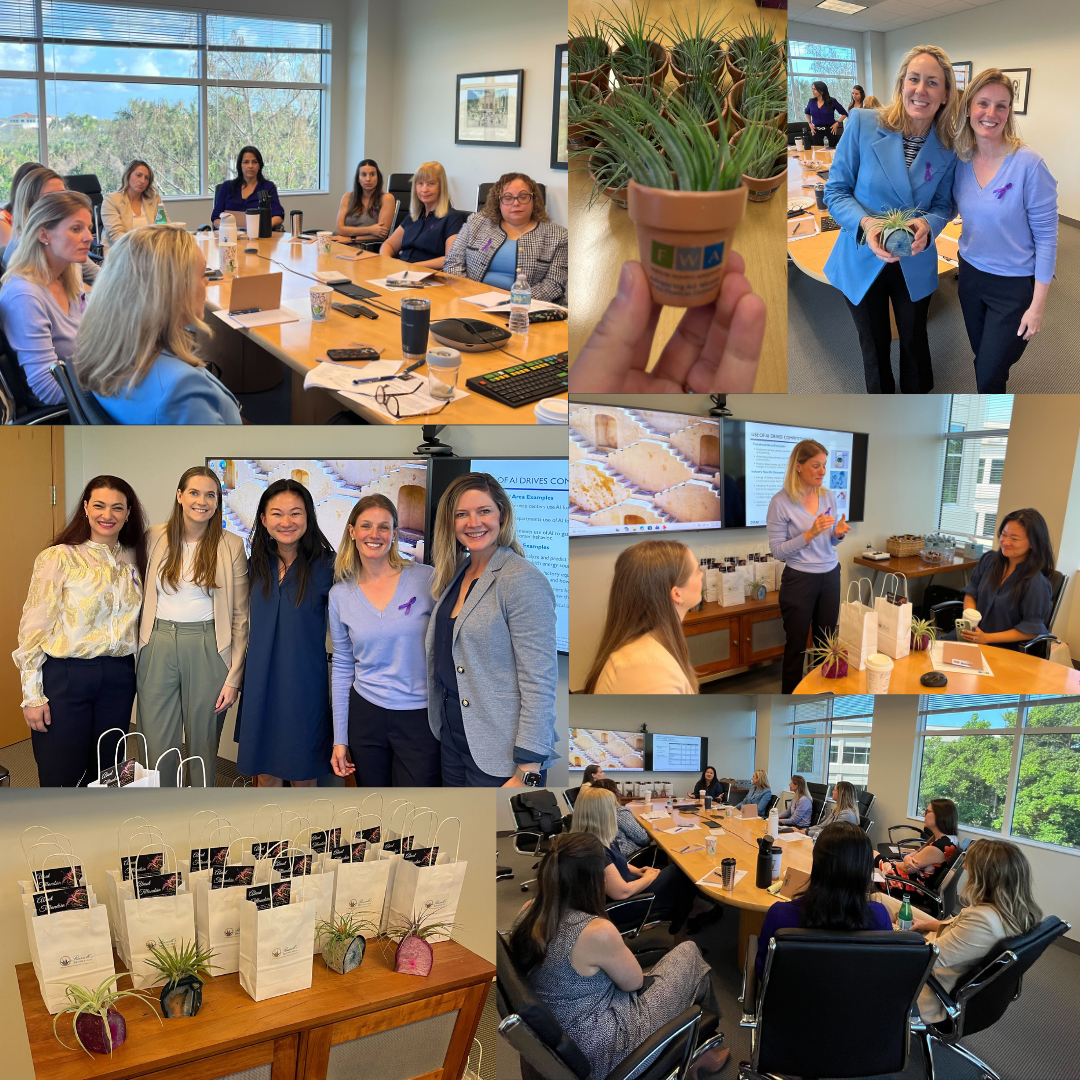
Something special is taking shape in Florida. Earlier this week, women from across the state gathered in Palm Beach Gardens as the FWA Florida Committee hosted its inaugural in-person event at DSM Capital Partners in celebration of Women’s History Month and International Women’s Day. The program featured a forward-looking conversation on AI and technology in investing, followed by an interactive session on personal branding and executive presence led by FWA President Albana Theka and Florida Committee Co-Chair Marie-Helene Kennedy-Payen. Connections began the evening before at a dinner that set the tone for a day filled with energy, collaboration, and meaningful dialogue. By the time sessions began, the room already felt like a community. That’s what the FWA does best. Special thanks to Florida Committee Co-Chairs Marie-Helene Kennedy-Payen and Kari Desai, DSM Capital Partners for hosting, and all who joined. “Nothing beats the power of community and human connection. It was incredible to see women from across Florida come together for conversations that were insightful, energizing, and genuinely fun.” - Marie-Helene Kennedy-Payen

One of the things I value most about the Financial Women’s Association is the creativity of our members. I hear so many thoughtful ideas. New programs. Fresh perspectives. Ways we can continue to grow and evolve as an organization. That energy is a gift and it tells me people care. At the same time, one lesson I continue to learn as a leader is that ideas are only the beginning. What truly moves an organization forward is what happens next. Often, when an idea is shared, the natural follow-up is a simple question. Who would like to help take this forward? Sometimes there is immediate enthusiasm. Other times, there is hesitation. And that moment is important. It’s not about pressure. It’s about clarity. Many of us are balancing full careers, families, caregiving responsibilities, and personal goals. Capacity looks different for everyone and it changes over time. Being honest about what we can realistically commit to is part of good leadership. The most impactful ideas are the ones that come with a willingness to stay involved. That involvement doesn’t mean doing everything alone. It means helping shape the vision, building momentum, and partnering with others to bring it to life. Organizations thrive when ideas are paired with ownership. When members feel empowered not just to contribute suggestions, but to help guide them toward execution. Even small steps of follow-through create momentum and trust. At FWA, we welcome ideas. We value curiosity and innovation. And we also believe that commitment, in whatever form is realistic for you, is what turns good ideas into meaningful impact. When vision and follow-through come together, everyone benefits. That’s how we continue to build a strong, supportive, and sustainable community.

As the UAE continues to grow as a global financial & investment hub, women are increasingly helping shape decisions at the highest levels of business and governance.

When people think about leadership in the UAE, the public sector is not always the first in mind - yet it's a powerful example of women shaping the nation’s future.
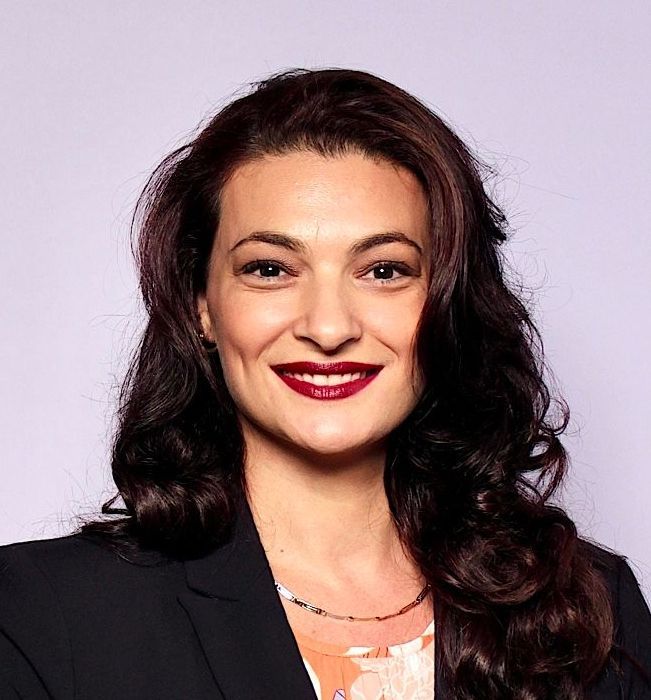
In finance, precision, rigor, and discipline are essential, and they will always remain core to how we operate and make decisions. At the same time, there is an important distinction between maintaining high standards and allowing the pursuit of perfection to slow progress, dilute impact, or prevent action altogether, particularly in moments that require speed, adaptability, and judgment. One of the most valuable leadership lessons I have learned is that waiting for perfect conditions often means missing the opportunity to act when it matters most. Markets move quickly, organizations evolve in real time, and the world rarely presents us with complete information or ideal circumstances. If we wait until every variable is known and every detail refined, we often find that the moment has already passed. Perfection is the enemy of the good. Progress, especially in complex and dynamic environments, rarely comes from flawless execution. It comes from informed decision making, from moving forward with intention, and from being willing to adjust as new information emerges. Most meaningful advances are not perfect at the outset, but they are good enough to create momentum, learn from experience, and evolve into something stronger over time. This mindset is particularly important for leaders, and it is especially relevant for women in leadership. Too often, women are conditioned to believe that we must be fully prepared, fully qualified, and fully certain before stepping forward or making decisions. That expectation, often applied more harshly to women than to others, can slow progress and limit both individual and collective impact. Agility is not about lowering standards or acting without care. It is about being responsive, thoughtful, and decisive in the face of uncertainty. It requires confidence in our judgment, trust in the teams we lead, and the willingness to course correct when circumstances change. Moving fast does not mean moving blindly, it means recognizing that learning and improvement often happen through action rather than delay. At the Financial Women’s Association, we strive to lead with this balance in mind. We are committed to excellence, but we also value momentum. We move forward deliberately, but without paralysis. We test new ideas, listen closely to our community, and continuously refine our approach, understanding that progress is an ongoing process rather than a final destination. As leaders, our responsibility is not to eliminate uncertainty, because that is rarely possible, but to navigate it with clarity, courage, and a bias toward action. When we choose progress over perfection, we create space for innovation, growth, and meaningful change. Let us continue to lead in this way, with confidence, adaptability, and purpose, supporting one another as we move forward together.

The UAE is often recognized for its rapid growth, innovation, and global influence - what’s less widely known is the powerful role women play in driving success.

When you picture business in the Middle East, what comes to mind? If you suspect the region lacks opportunities for female leadership, the reality may surprise you.
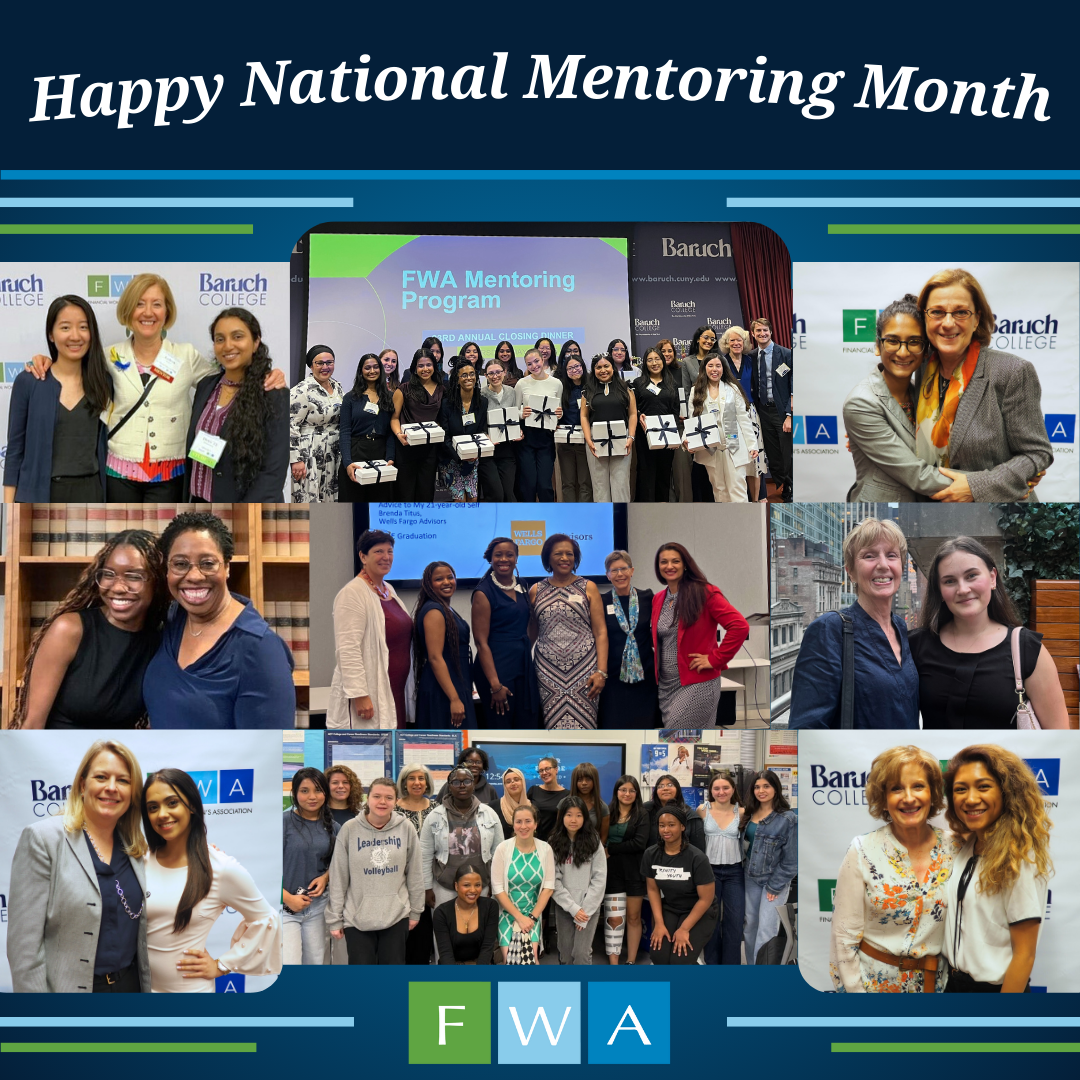
by Robert Brown January is National Mentoring Month. In 2026, it also marks a defining moment for the Financial Women’s Association as we celebrate 70 years of advancing women in finance. This milestone matters now. As organizations across industries rethink development, mentorship, and long-term investment in people, FWA stands firm in what has always worked: human connection, shared knowledge, and women lifting one another forward. For seven decades, FWA has done more than convene women in finance. It has built a community rooted in mentorship, access, and action. Progress here has never been accidental. It has always been intentional. It happens because women, and male allies choose to show up for one another. As current FWA President Albana Theka reminds us, “Mentorship isn’t about who’s ahead of you. It’s about who sees you, and who helps you see yourself.” That belief has shaped FWA from the beginning and continues to guide where we are headed next.
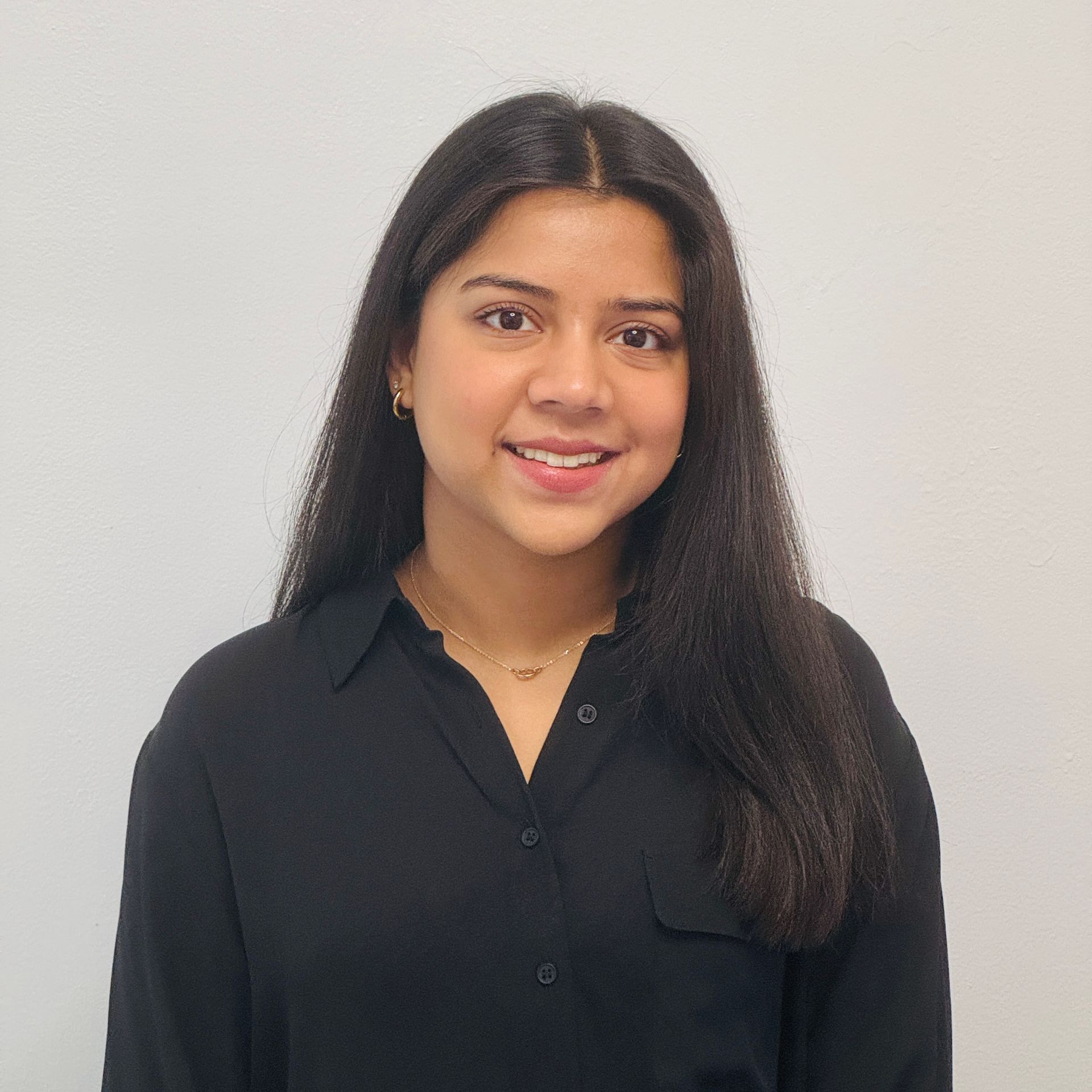
Some students enter college unsure of where they are headed. Others, like Baruch College senior and Finance major Simran Hassan, arrive with ambition and quickly realize how much more there is to learn. For Simran, the finance world felt exciting but intimidating. Competitive. Fast paced. Male dominated. She knew she wanted a seat at the table, but finding her voice took time and support. That support came through the Financial Women’s Association's Baruch College Mentoring Program , which Simran describes as one of the most meaningful experiences of her college career. Before joining, she admits the industry felt overwhelming. “Before joining the program, the finance industry and its obvious male dominated environment felt quite daunting to me,” she shared. “But through FWA, I discovered the network of incredible women that exists within Baruch and across the industry. The program, and especially my mentor, gave me the confidence to speak my mind and seek resources that will help me succeed.”
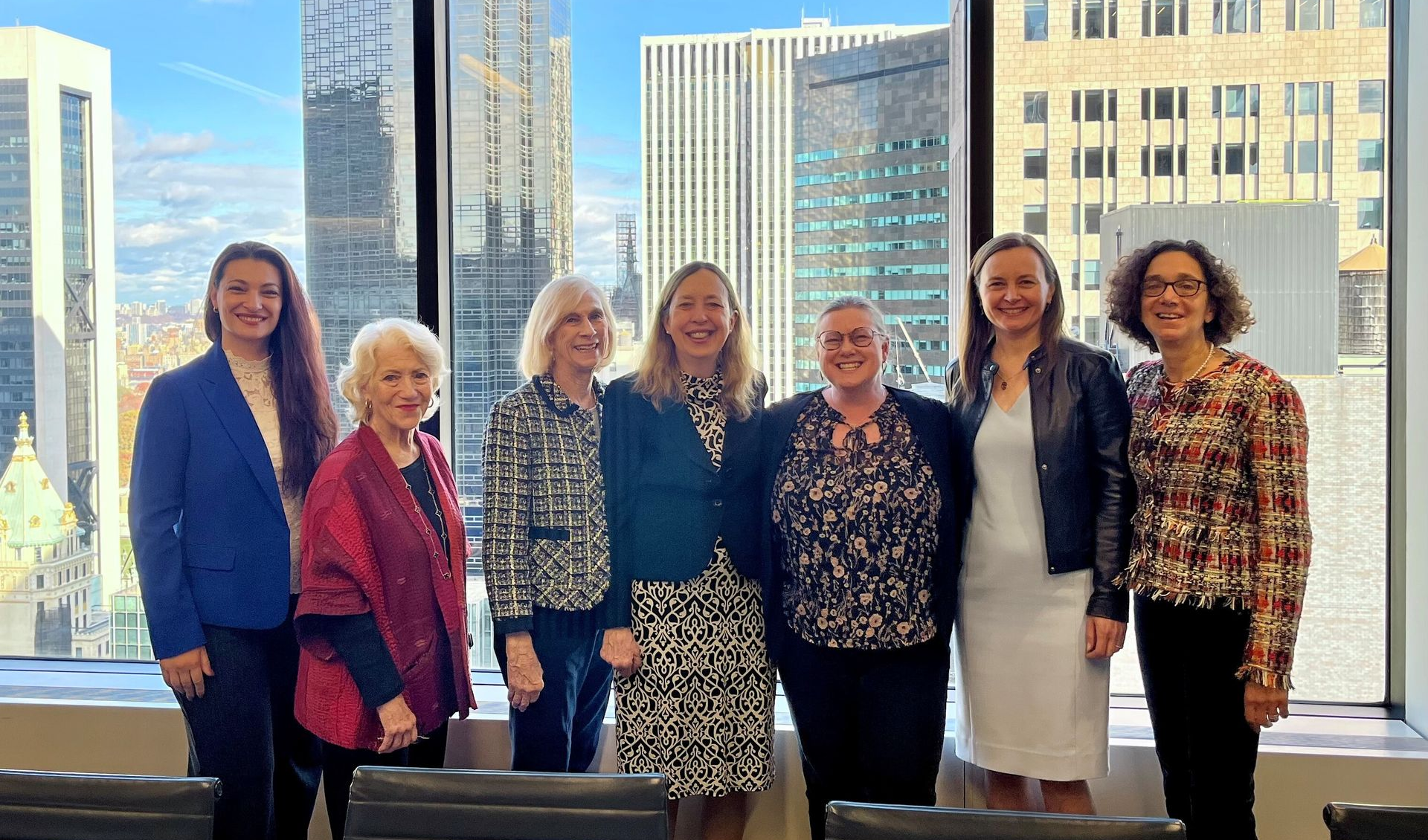
Recently, our members had the honor of meeting Army General François Lecointre, Grand Chancellor of the Order of the Legion of Honour. An institution Napoleon Bonaparte founded in 1802. General Lecointre brought the Order’s legacy to life, sharing its mission and new efforts to digitize centuries of archives. Did you know? The Legion of Honour also established an all-girls boarding school for descendants of honorees — a lasting investment in education and equality. The event also reunited members of our Paris International Business Conference delegation, a reminder that our global exchanges continue well beyond the trip through shared learning, cultural understanding, and lifelong connections. Thank you to Banque Transatlantique for hosting and to General Lecointre for sharing his insights and time.
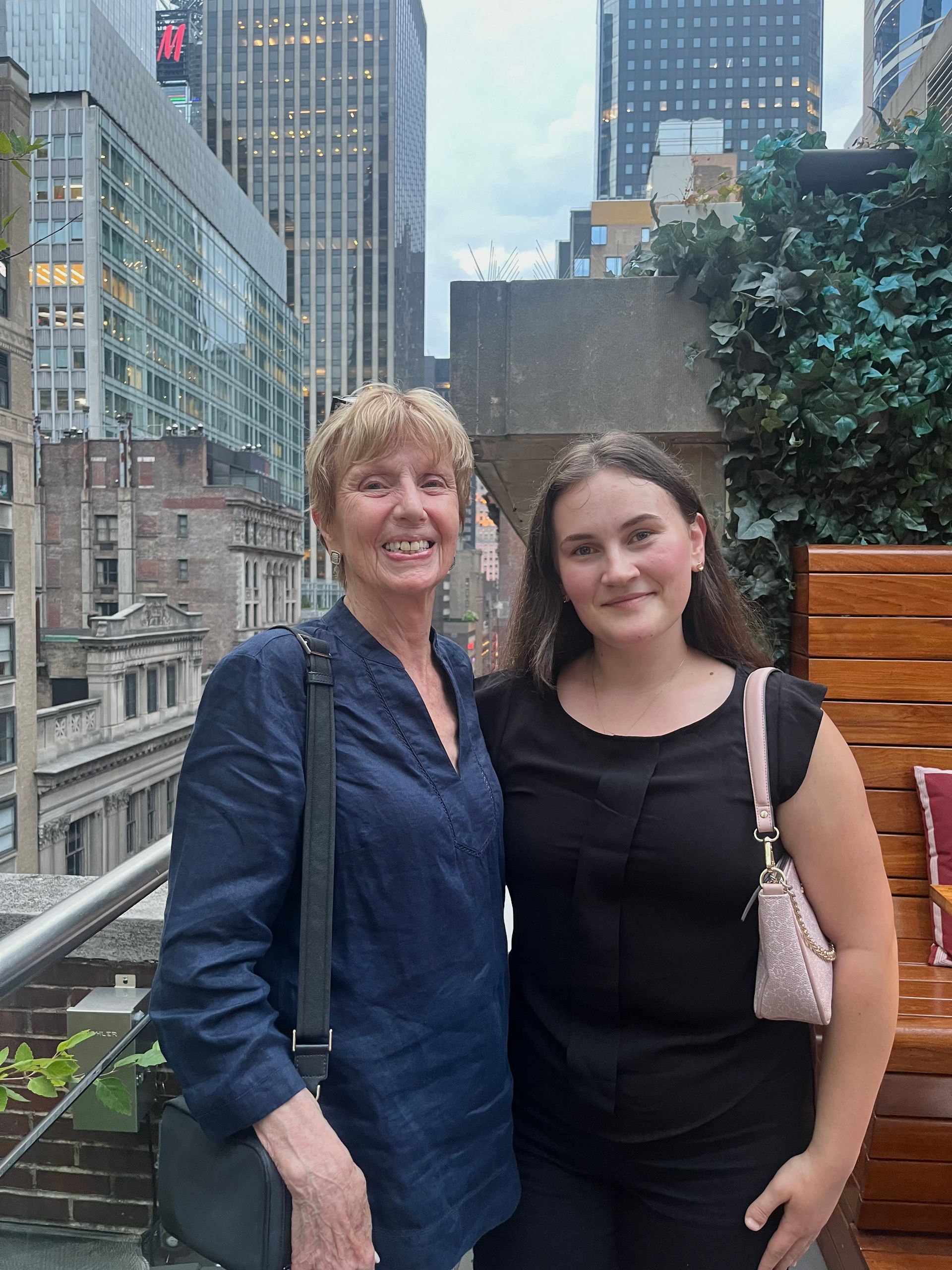
FWA–Baruch College Mentoring Program Spotlight Adelisa Music is a rising star with a bright future in finance. A college student at Baruch, she’s built her success through focus, resilience, and a willingness to keep learning. Along the way, the Financial Women’s Association’s Mentoring Program at Baruch College added another dimension to her journey, giving her the guidance and confidence to take her ambitions even further. “My experience with the FWA Baruch College Mentoring Program was more than transformative,” Adelisa says. “It served as a guide and support throughout college, introducing me to people and opportunities that opened doors I didn’t know existed and helped me learn more about my strengths and weaknesses.”
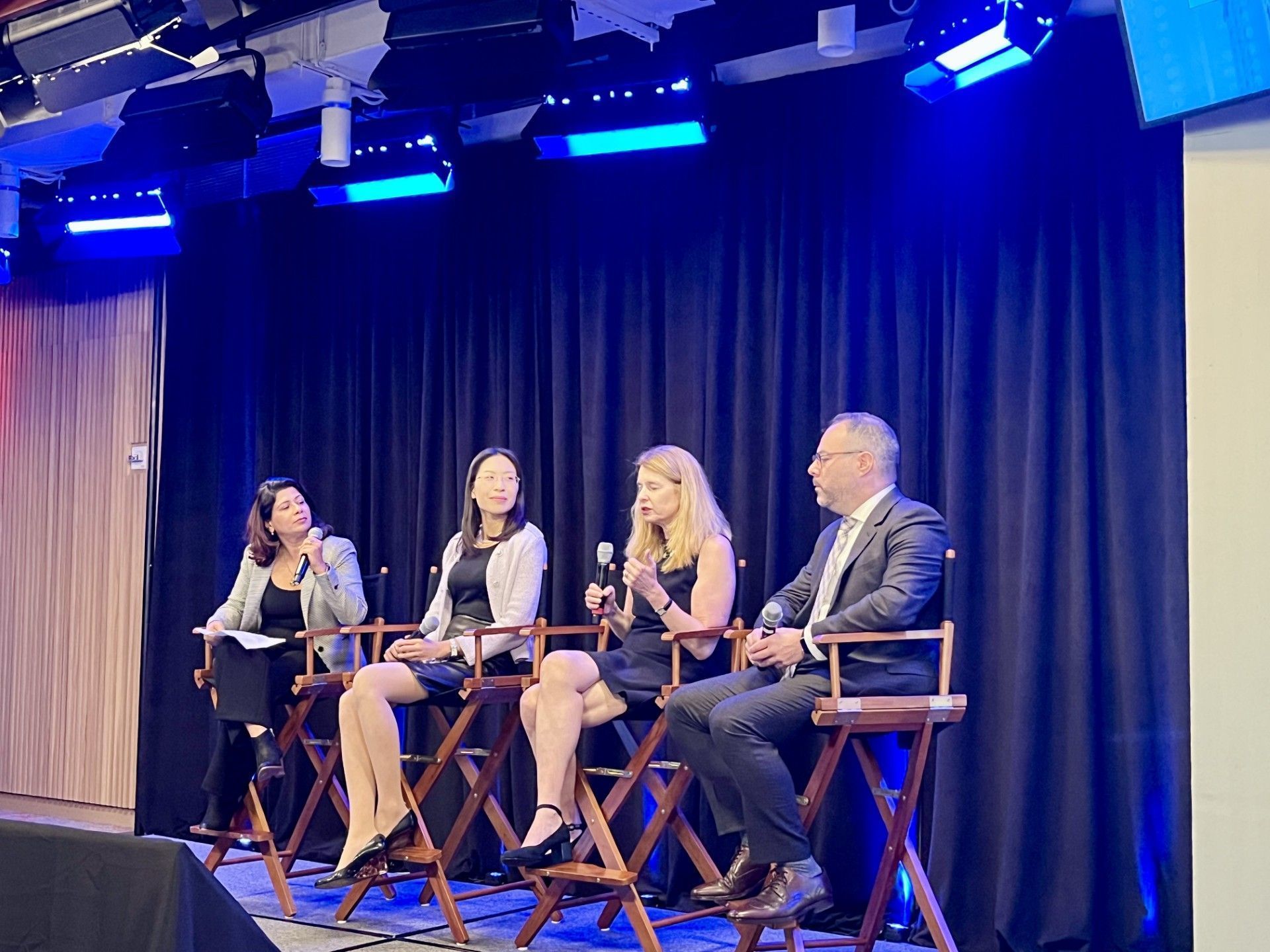
On Tuesday, October 21, 2025, the Financial Women's Association's Annual Summit: Disrupting Wall Street highlighted how disruption is touching every aspect of our industry - from our cities and workplaces to the global economy. From Kathryn Wylde's call to rebuild public-private partnerships to Rick Rieder's global outlook, we were reminded that we're living through a new kind of industrial revolution. Every session pushed us to think bigger. We began with a powerful keynote from Kathryn Wylde who reminded us of the urgent need to revive public–private partnerships, particularly amid uncertainty in our own city. Conversations in following panels turned to the adoption of AI within individual firms, and considered how it is changing how we work on a day-to-day basis, fundamental aspects of our organizational structures and how they operate, and wider macro implications of advances in technology which will foundationally impact employment and education. Many speakers addressed the fact that we will need to learn to manage the masses of data at our disposal and the various implications of its usage. We are seeing the rise of the sophisticated retail investor in the markets, and increased discussions about the role of private credit markets. Here in NYC, we are known as the hub for Fintech and second only to Silicon Valley in venture capital. There is a revolution going on here too from increased investment in helping people to build financial resiliency or the disruption of the ecosystem to bring more capital to female or mixed gender led businesses. The enormity of the upcoming wealth transfer to women will only exacerbate this change. Yet amid all the talk of advances in technology and continued innovation, one key message came through clearly: the human component remains front and center. Leaders shared the value they place in collaboration and networking, and numerous speakers emphasized the concept of trust, whether it is between private and public partnerships, the ability of leaders to support their employees as AI is adopted within their firms, the relationships with regulators, or the acceleration of Fintech. Culture and behavior are also key; many of our speakers talked about experimentation, democratization, and staying curious. They reminded us not to be afraid of change and to seek out others to learn from. While some of these things may at times feel daunting, it can also be a time of exhilaration. We at the FWA are excited to be a part of your journey through all of this - supporting our members as they navigate and shape the future of finance. Thank you to our incredible host, Amazon Web Services (AWS), our Summit Sponsors Korn Ferry, Trianz, Concierto, and N-iX, our Promotional Partners Al NYC, TechWalk NYC, and This Week in Fintech, and our event organizers, the FWA Annual Summit and Fintech Committees. To every speaker, attendee, and committee member who helped make the day unforgettable, thank you for showing up ready to learn, share, and make an impact.

We invite you to join us as a delegate for our upcoming International Business Conference (IBC) , which will be held in Abu Dhabi and Dubai on April 19-24, 2026 . This event will provide members with career-enhancing insights and create a unique opportunity to connect with influential leaders abroad. Join us to: Explore new developments in finance, investment, and sustainability in the UAE Develop an understanding of the UAE’s role in global markets and sovereign wealth investment Gain insights into innovation, fintech, and energy transition Engage in discussions about best practices in corporate governance, diversity, and leadership Build your professional network through direct access to regional and global business leaders Click here to learn more!
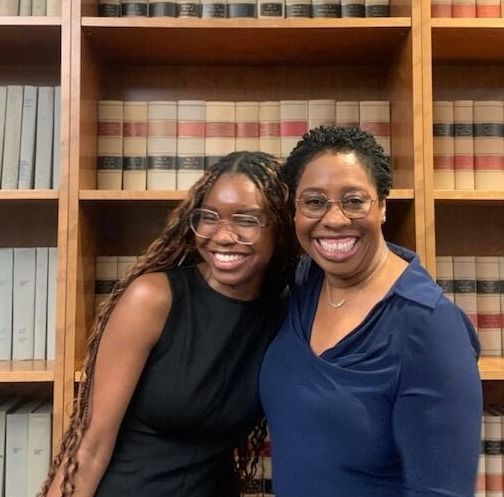
What happens when a setback sparks a calling? For Hermina “Nina” Batson, walking away from electrical engineering wasn’t the end of her high school dream; it was the start of a fearless career in financial services—one built on integrity, courage, resilience, fortitude, determination, and a strong commitment to giving back. The daughter of Panamanian parents, Nina grew up on Long Island. At Hofstra University, she took steps to create opportunities for every student to feel included and have the chance to succeed. “Every student must have the opportunity to be successful, even if they don’t know how,” she says, a belief that continues to guide her. Long before Nina became a corporate leader, she taught financial literacy to underserved individuals in the communities she served, helping them understand the basics of money management and find pathways to independence. Mentoring, in one form or another, has always been part of her story.
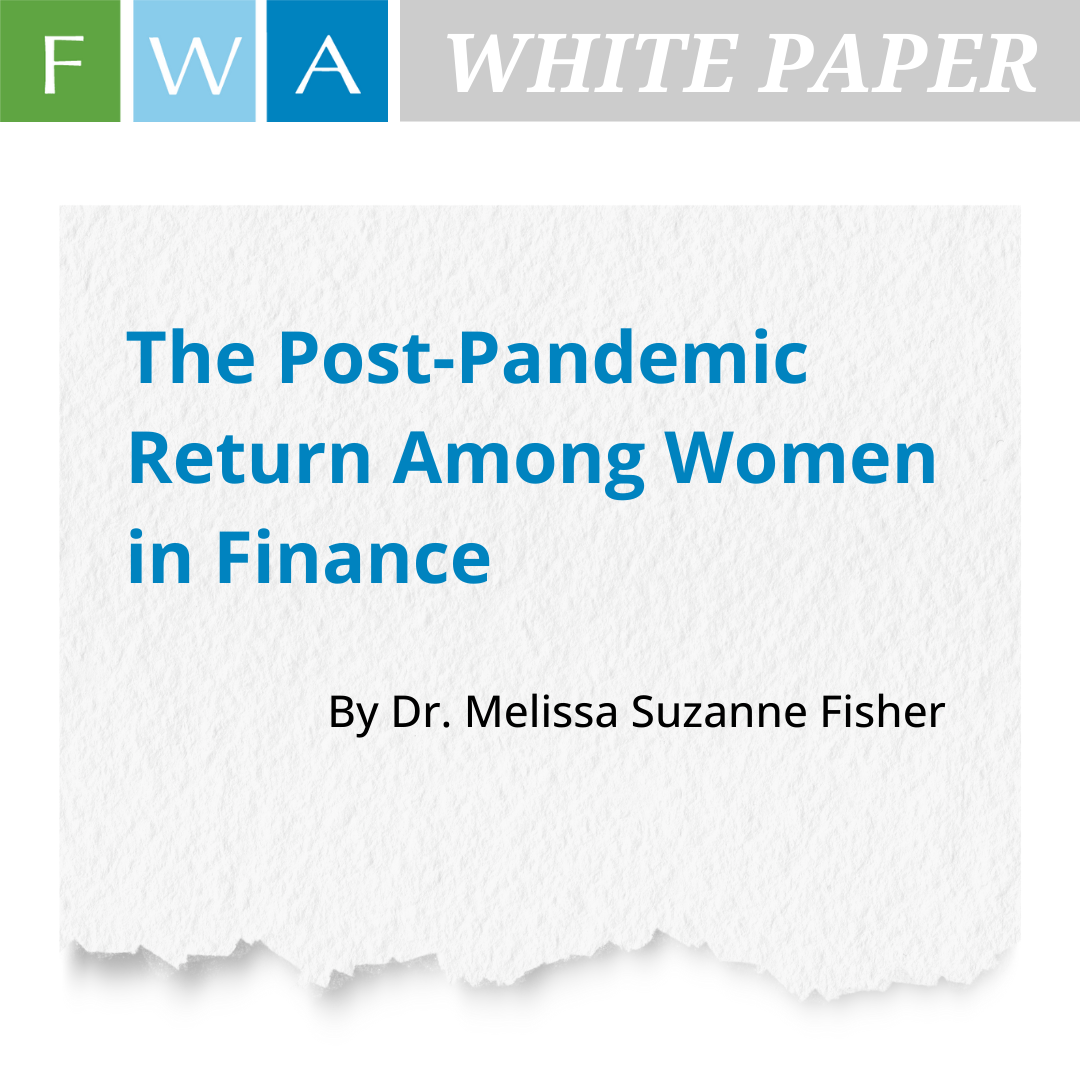
The Financial Women’s Association (FWA) announces the release of a new white paper, The Post-Pandemic Return Among Women in Finance , authored by cultural anthropologist Dr. Melissa Suzanne Fisher. Commissioned by the FWA, the report examines how return-to-office policies and shifting workplace norms continue to shape careers in the financial services industry and outlines practical steps firms can take to build more resilient, inclusive, and future-ready workplaces. Based on pandemic and post-pandemic research, the report offers an analysis of challenges that remain highly relevant today: balancing work and family responsibilities, supporting employee well-being, and dismantling systemic barriers that hinder career success. Drawing on interdisciplinary social sciences and firsthand accounts, the report highlights persistent cultural and structural barriers that limit progress across the industry. The report highlights that while the pandemic's remote work experiments offered employees new ways to balance work and personal life, the push for a full-time return to the office threatens this progress. Key recommendations highlighted in the report include: Responsibility of caregiving and work/life balance should be shared across the organization, rather than leaving individuals to manage these challenges alone. Firms should focus on addressing bias and discrimination embedded in their systems, not just changing individual attitudes. New models of mentoring and support are needed to reflect evolving work environments (such as hybrid work) and changing employee needs. Dr. Fisher, author of Wall Street Women , and a faculty member at Parsons School of Design, as well as a Senior Advisor at CFAR Consulting and Coaching Services, argues that supporting employees in balancing work, family, and personal needs is not only the right thing to do - it also drives innovation, effectiveness, and long-term profitability. The Financial Women’s Association has championed the advancement of women across the financial industry for nearly 70 years. This report adds to that tradition by offering actionable strategies firms can adopt to create more welcoming, supportive, and equitable workplaces so all employees can thrive.