Hermina “Nina” Batson: Fearless Leadership and a Lasting Legacy in Mentorship
What happens when a setback sparks a calling? For Hermina “Nina” Batson, walking away from electrical engineering wasn’t the end of her high school dream; it was the start of a fearless career in financial services—one built on integrity, courage, resilience, fortitude, determination, and a strong commitment to giving back. The daughter of Panamanian parents, Nina grew up on Long Island. At Hofstra University, she took steps to create opportunities for every student to feel included and have the chance to succeed. “Every student must have the opportunity to be successful, even if they don’t know how,” she says, a belief that continues to guide her.
Long before Nina became a corporate leader, she taught financial literacy to underserved individuals in the communities she served, helping them understand the basics of money management and find pathways to independence. Mentoring, in one form or another, has always been part of her story.
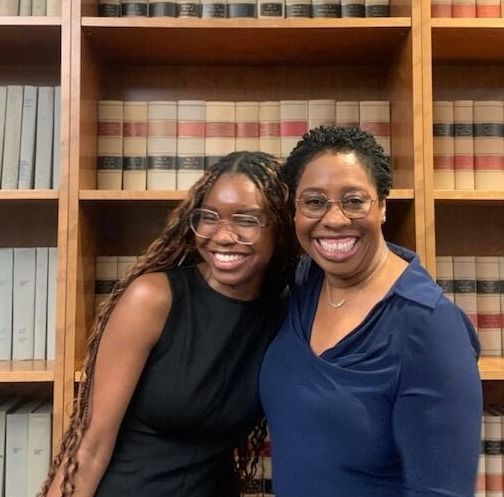
Professionally, Nina has worn many hats and handled each with authority. She spent 25 years with FWA corporate sponsor MUFG, earning a reputation for expertise and steady leadership. Most recently, she was at Barclays as Director, Head of Regulatory Engagement in Internal Audit, where she addressed complex regulatory issues. But ask Nina where her true legacy lies, and she won’t point to a title or a promotion. She’ll talk about mentoring.
Since joining the Financial Women’s Association in 2008, Nina has dedicated herself to strengthening its mentoring programs. As Membership Chair, she worked to promote the organization's growth by creating a student membership category and providing more networking opportunities for young women with women in finance. During her FWA presidency, she also restructured partnerships to ensure all women could access both professional and personal development opportunities. This approach helped them develop skills “off-the-job” through increased knowledge sharing and confidence building, enabling women to connect, receive mentorship, and learn alongside others in the financial industry for their on-the-job success.
For Nina, mentorship is not just about advancing careers, nor is it one-sided. It is both a personal duty and a call to action. Mentorship involves building confidence where there is doubt, providing guidance where there is uncertainty, and inspiring others to lead courageously. It’s about creating a legacy. It’s about improving the financial industry so success is shared and opportunities are open to others. “Mentorship is very important. It provides mentees and others seeking a relationship with the chance to grow, share, learn, and shape the future of finance, one person at a time. After all, our greatest glory is never in helping ourselves, but in helping others,” she says.
Nina’s leadership has significantly impacted her mentees, colleagues, and the FWA itself. She has been a catalyst for growth, inclusion, and for creating space where voices that were once unheard now take center stage. She listens, she learns, and she walks alongside her mentees with humility and patience. She also ensures her mentees understand what’s expected of them and provides them with the tools to succeed. Additionally, she quickly reminds mentors that the relationship is mutual. Her mentees can feel this difference. Tioluwani Ariyibi, a student at Seton Hall’s Stillman School of Business, is one of them. “There’s no stopping my mentee. She’s a very determined, driven, and resilient person. Her cultural upbringing and respect for her elders help her navigate her current environment,” Nina says proudly.
And she’s clear that the work isn’t finished. Through the FWA’s mentoring programs at Baruch, Seton Hall, the High School of Economics and Finance, and the FWA’s Wall Street Exchange program, Nina sees the opportunity for FWA members to carry the torch forward, invest their time, share their wisdom, and mentor the next generation of finance leaders while also improving themselves. “Change happens when we decide to show up,” she says. Her advice to those following in her footsteps is as bold as her own example: “Don’t wait to be invited to the table. Pull up your own chair!”
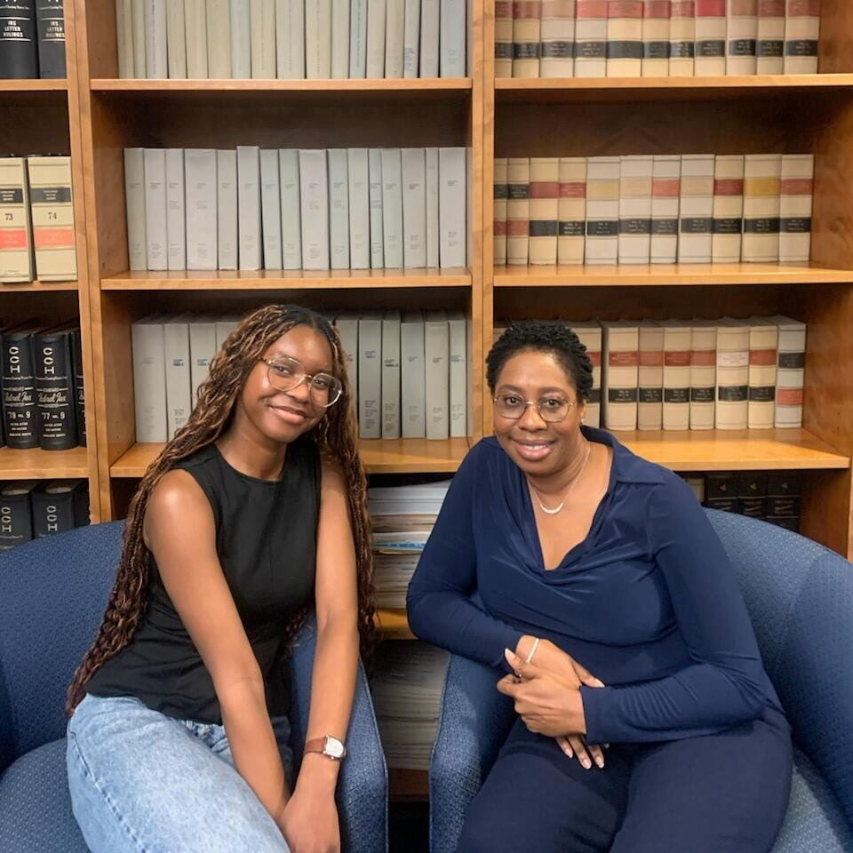
Nina (right) and her current mentee, Tioluwani (left).