FWA Welcomes New Committee Chairs

September 29, 2023

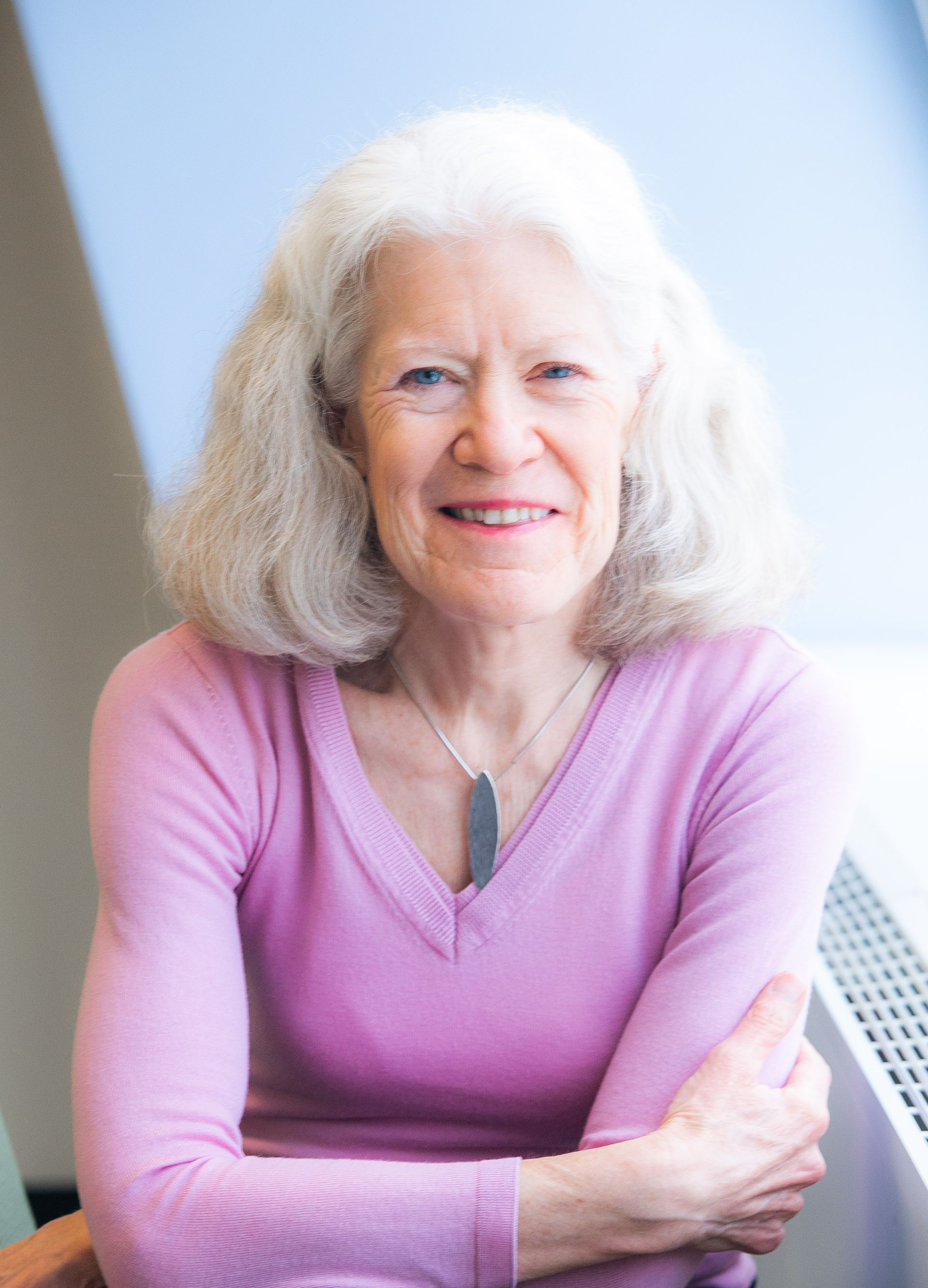
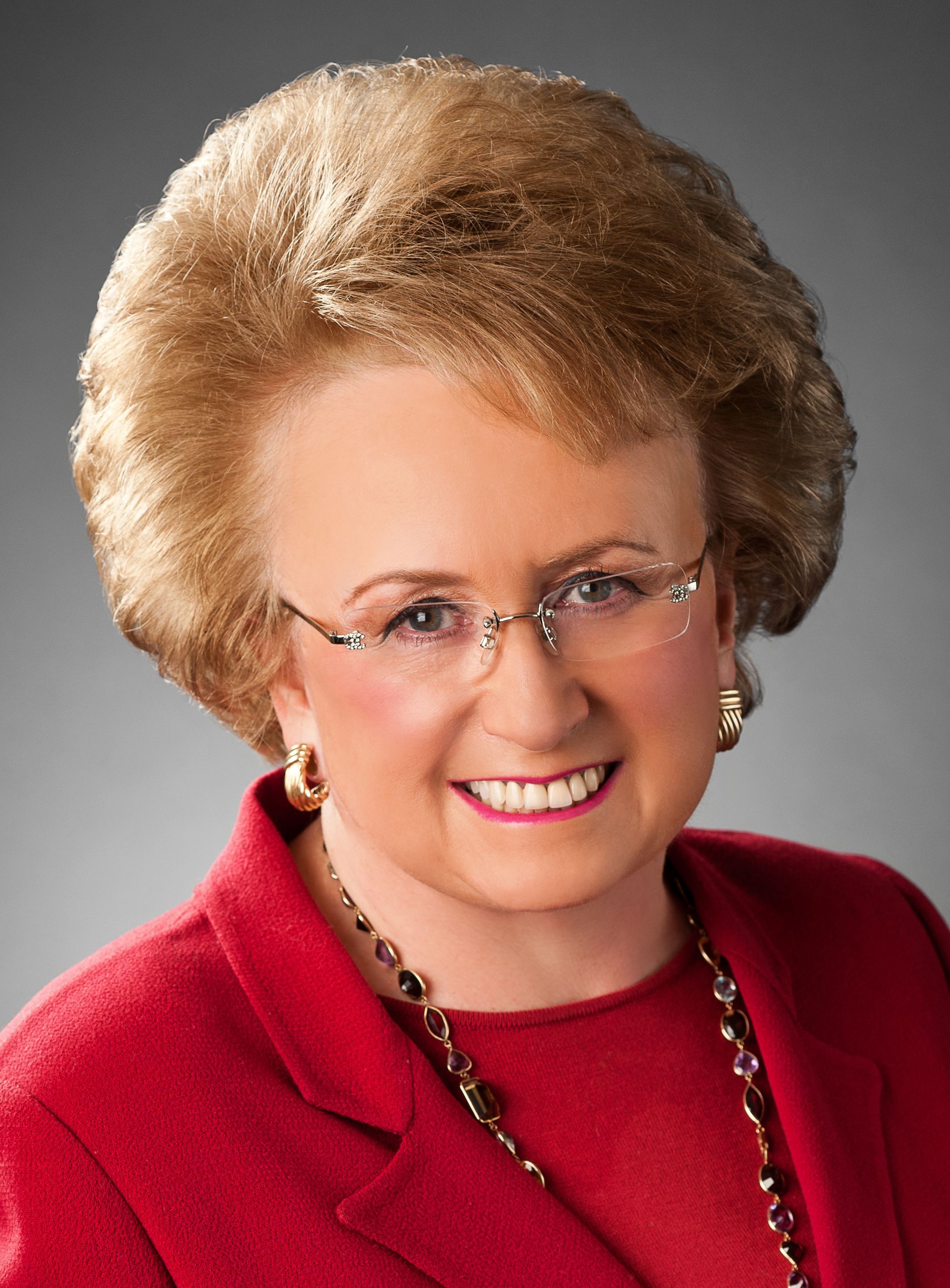
FWA is pleased to welcome two new committee chairs. We are excited to have Briana Malbury leading our Fintech committee, and Théa Watkins joining as a co-chair for the Back2Business program.
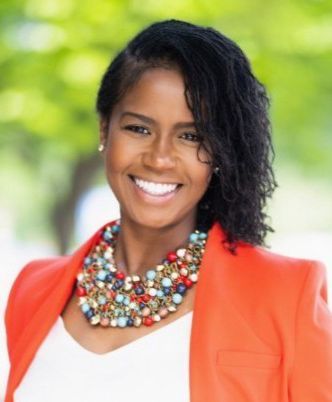
Briana Marbury is the President & CEO of the Interledger Foundation (ILF), a nonprofit organization committed to expanding digital financial inclusion to vulnerable populations. ILF invests in organizations, communities, and entrepreneurs working towards the shared goal of enabling interoperable and frictionless payments around the globe.


In her role, Briana leads the strategic vision of the organization and has grown ILF from a small team of three to a global workforce of changemakers. Having firsthand experience in the challenges associated with navigating inequitable and inaccessible financial systems, Briana understands how imperative it is to enable communities an opportunity to create and lead their own financial futures.


In recognition of her work at ILF she has been nominated as a finalist for Finovate’s 2023 Executive of the Year award and named as a Changemaker on the International Black Heritage Month’s inaugural Iist in recognition of individuals disrupting the status quo and advancing inclusion.


Before joining ILF, she consulted for 350.org and held financial leadership roles at Repair the World, Uncommon Schools, and the Jack Kent Cooke Foundation. At each organization, Briana built and grew the financial and operational systems that enabled significant progress towards achieving their mission. Additionally, Briana served as an Education Pioneer Graduate Fellow, exploring ways to increase positive educational outcomes in the nation’s most underserved schools.


Briana holds a BA in Accounting from the University of Michigan, an MBA from Wayne State University, and has completed post-graduate work in strategic leadership at Stanford University. Originally from Detroit, Briana has lived in many cities across the US and has even spent a brief period as a digital nomad. When she’s not exploring new cities, she’s spending time with her pup, Seamus.
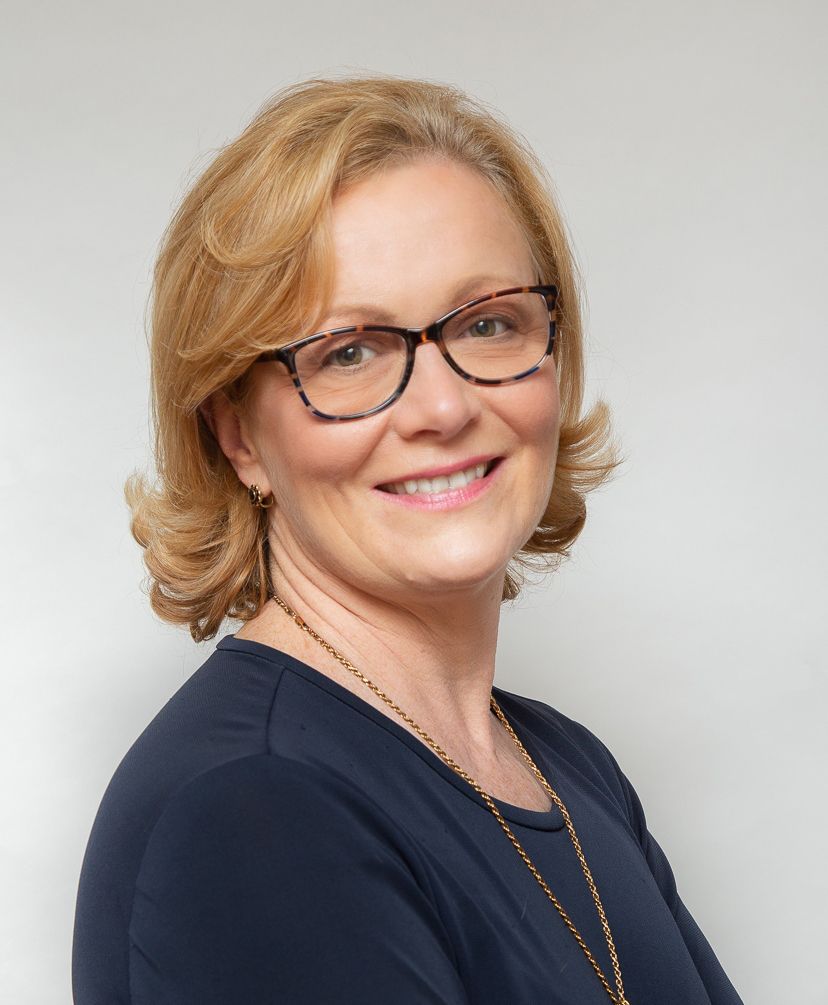
Théa Watkins (she/her) is an inclusive Financial Services leader with deep experience on both the client and the people and operational side within the industry. She has a passion for building respectful relationships and cultures, executing change strategically to transform business performance while simultaneously enhancing workplace inclusion and culture as well as the interface with our communities.


Successful transformations are a constant theme of her career. She is known for delivering business results and sustainable change with energy and integrity, as evidenced by her building a substantial business from the ground up, transforming employee engagement levels and culture, and most recently, the crisis management of branch operations with the smooth and safe transition of all employees to fully remote work during the pandemic.
April 23, 2026
For months, FWA Executive Director Alissa Desmarais and I had been building toward something incredible: a six-day International Business Conference in the UAE, complex and high-stakes, the kind of undertaking that requires you to hold a hundred things in your head at once while also holding your team together, your partners together, and yourself together. The FWA has more than 40 years of experience organizing international conferences around the world; what we were doing was not new. But as we stepped into our new roles as the conference organizers, with the support of a great IBC committee, this one felt different. More meaningful, because it was ours. We were proud of what we were creating. And then the world changed around us. I won’t pretend the decision to pivot was easy, because it wasn’t. There is a particular kind of grief that comes not from losing something you already had, but from letting go of something you had worked so hard to build and had not yet gotten to experience. We had to look at the geopolitical reality of the region, at what was happening, at what we could not control, and make a call. The kind of call that no planning document prepares you for. We chose to pivot. On May 5th and 6th, FWA will host the Global Capital and Leadership Forum in New York. A virtual lunch panel, followed by an in-person morning program at Akin, right in the heart of the city. Smaller in scale, yes. But not smaller in purpose. We kept the questions we had always meant to explore: how shifting alliances and energy transitions are redrawing the map of global capital, what resilient leadership looks like in a world that will not hold still, how women are shaping the future of finance across cultures and geographies. Her Excellency Amna Almheiri, Consul General of the United Arab Emirates in New York, will close our forum. The relationship did not end when our plans changed. The dialogue did not stop. It just found a different room. What I have learned from this experience is something I keep coming back to: a pivot is not the opposite of commitment. Done with clarity and care, it is one of commitment’s truest expressions, because it means you care more about the mission than about being right about how you planned to serve it. It means you can look at the people who gave months of real effort to a plan that changed and help them see that nothing they did was wasted, because it wasn’t. It means you can let go of the version of success you had pictured and trust that a different shape can carry the same substance. I think about the women in this community who have had to do this in their own careers and lives. Who had to walk away from something they had built toward for years, not because they failed but because the world shifted and they were honest enough to shift with it. That takes courage. It takes the kind of steadiness that is very easy to admire from the outside and very hard to practice from the inside. The forum is still taking shape. The work continues. And I am proud of what we are making, not in spite of how we got here, but because of it.
April 9, 2026
The MENA Capital Landscape: Risk, Resilience & the Road Ahead May 5–6, 2026 Join the Financial Women's Association for a timely conversation on sovereign capital, energy transition, AI, and the geopolitical forces reshaping global finance. When our UAE trip was cancelled, we immediately looked for ways to bring the experience to our community here in NYC - this forum captures the spirit, substance, and strategic importance of that journey. Registration details coming soon - save the date on your calendar now! Virtual Lunch Panel · Tuesday, May 5 In-Person Morning Program in New York City · Wednesday, May 6 One registration. Two experiences. One conversation.
April 8, 2026
FWA members are invited to participate in a personal finance workshop on April 29th, 2026, from 11:30 am to 1:00 pm, at the High School of Economics and Finance.  The school is located at 100 Trinity Place, near Wall Street. The workshop will involve the FWA high school mentees at HSEF. We will have a training prep session the week before, either on April 21 or 22, depending on availability of the volunteers. If you are interested, or would like more information, please contact Suzanne Matthews, Committee Co-chair, at [email protected] .
March 17, 2026
by Robert Brown Every March, Women’s History Month invites us to reflect on the women who challenged expectations, opened doors, and changed the course of industries that once excluded them. For the Financial Women’s Association, that reflection is personal. As the organization celebrates its 70th anniversary, the story of FWA mirrors the broader story of women’s progress in finance. What began in 1956 with eight determined women has grown into a global community that has helped generations of women enter, navigate, and lead in an industry that once shut them out. Those eight enterprising women did something quietly radical. They were working inside investment banks and financial institutions at a time when their talent was welcome, but their presence in leadership circles was not. The established associations of the day did not admit women. Access to the conversations, relationships, and influence that shaped the industry flowed through rooms they were not allowed to enter. So they built their own.
More Posts