News
Get the most important FWA News in your inbox each week: click here to receive our newsletter!
We value your time and privacy - we rarely send emails more than once per week and never share your info.
Don't miss our news and events! Follow us on your favorite social media platforms.
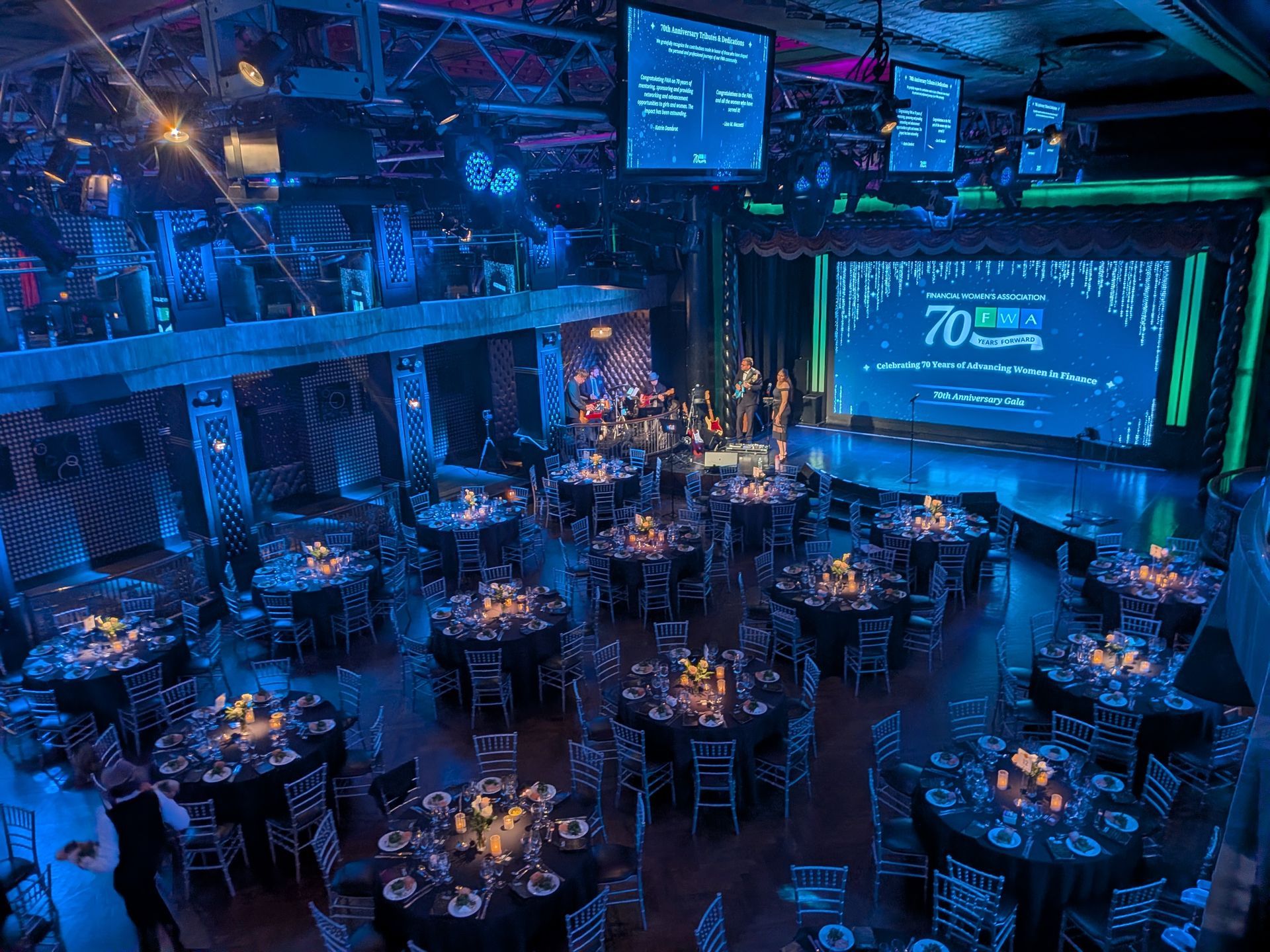
On October 8, 2026, the FWA's 70th Anniversary Gala brought together generations of the Financial Women's Association community for an evening filled with stories, laughter, and a real sense of what makes this organization special. It was a great reminder of where we started and how far we have come! Guests walked the red carpet, queued up at the photo booth, and shared their FWA stories in on-camera interviews. Our live band kept the celebration going, and FWA President Albana Theka, MBA performed the FWA song. Our honorees gave us plenty to think about. Stephanie Ruhle spoke about risk and her transition from finance to television. Betsy Werley shared that she is now mentoring the daughter of one of her former mentees. Joan Shapiro Green recalled making laughter part of her theme as FWA President. Virginia Maloney and Jonathan Dambrot reflected on their courageous mothers and the influence those women had on their lives. Mary Barneby spoke about her FWA presidency and the responsibility to give back. Caroline Gundeck shared how hard work helped her reach an early career goal of $2 million in accounts. Steve Liesman gave the room one of its biggest laughs when he suggested the title of her future book: Buying Your Own Plaque. Carolyn Maloney discussed being the first woman to represent her City Council and congressional districts, as well as the first woman to chair the House Committee on Oversight and Reform and the Joint Economic Committee. She also spoke about the work she continues to fight for today. Thank you to Steve for guiding the evening with warmth and humor. We’re also grateful to FWA Past Presidents Hermina 'Nina' Batson, Simone G. Vinocour, and Karen Elinski, the entire 70th Anniversary Gala Committee, and the FWA staff for the months of work behind the celebration. Most of all, thank you to everyone who came out to support our mission. It was a full-circle evening and a fitting way for the FWA to go platinum. Relive the celebration through the Commemorative Gala Journal and explore our photo galleries: Photos from the Program • Reception Photos • Step & Repeat Photos • Photo Booth
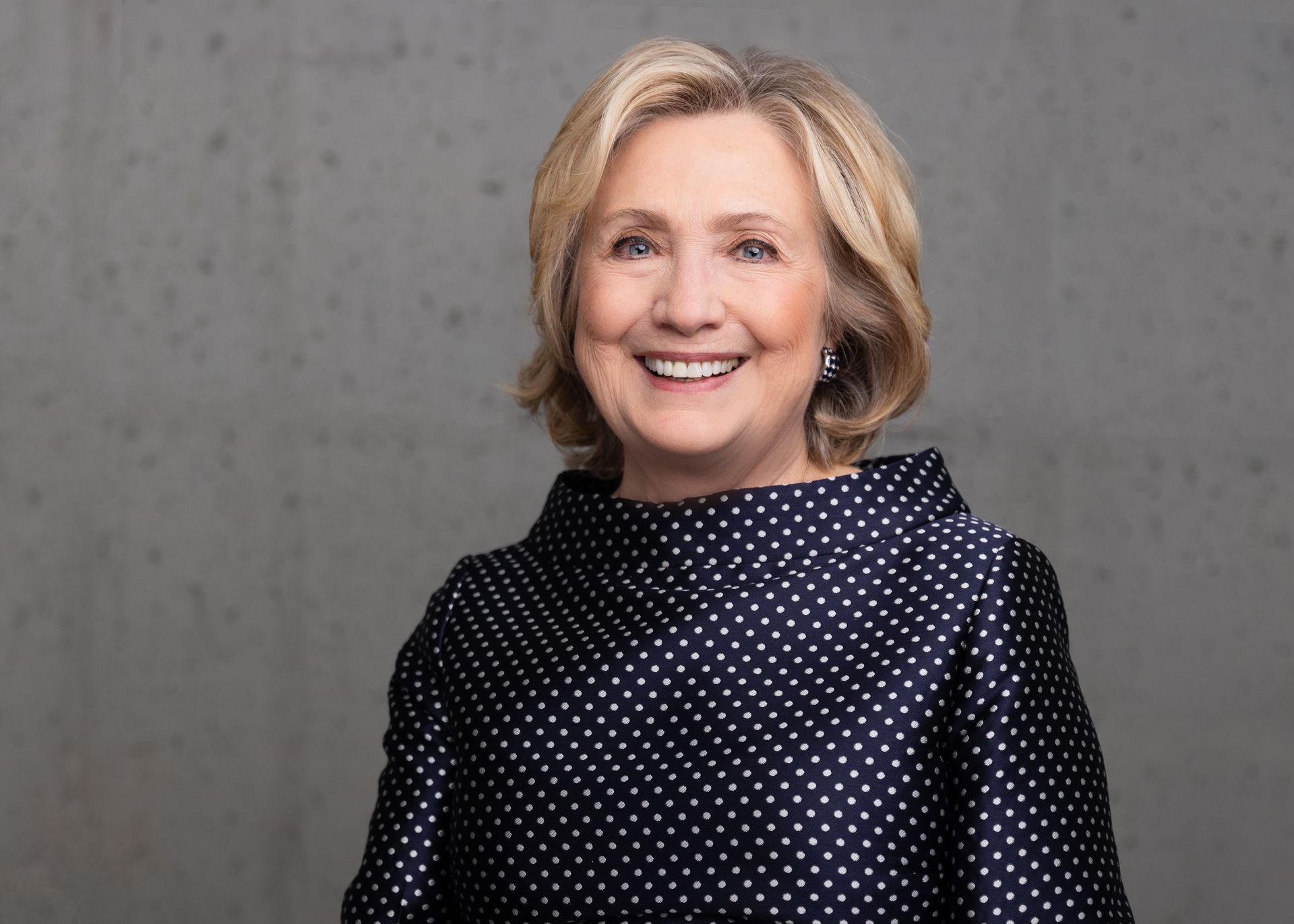
The FWA is proud to announce Hillary Rodham Clinton as the recipient of the 2026 FWA Global Trailblazer & Visionary Award at the FWA’s 70th Anniversary Gala on October 8, 2026. Secretary Clinton will join us virtually to accept the award and share remarks with guests during the Gala. We look forward to celebrating her extraordinary leadership and contributions with our community.
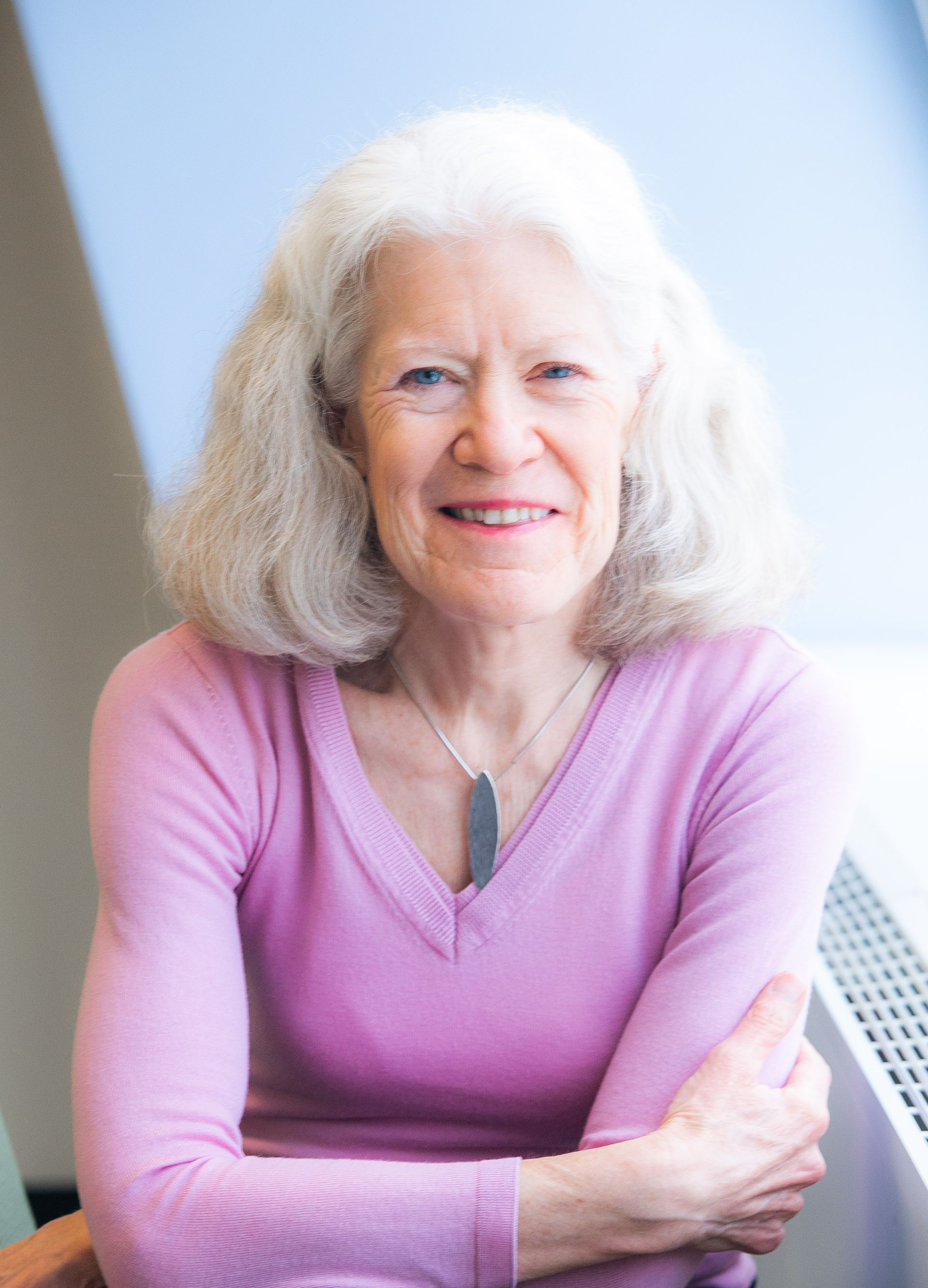
As we mark FWA’s 70th anniversary, we are honored to recognize Betsy Werley for her contributions to the FWA community. Betsy will receive the 2026 FWA Mentorship Impact Award at the FWA's 70th Anniversary Gala . Please join us on October 8 as we honor Betsy and the legacy of leadership and mentorship that has shaped FWA for the past seventy years.
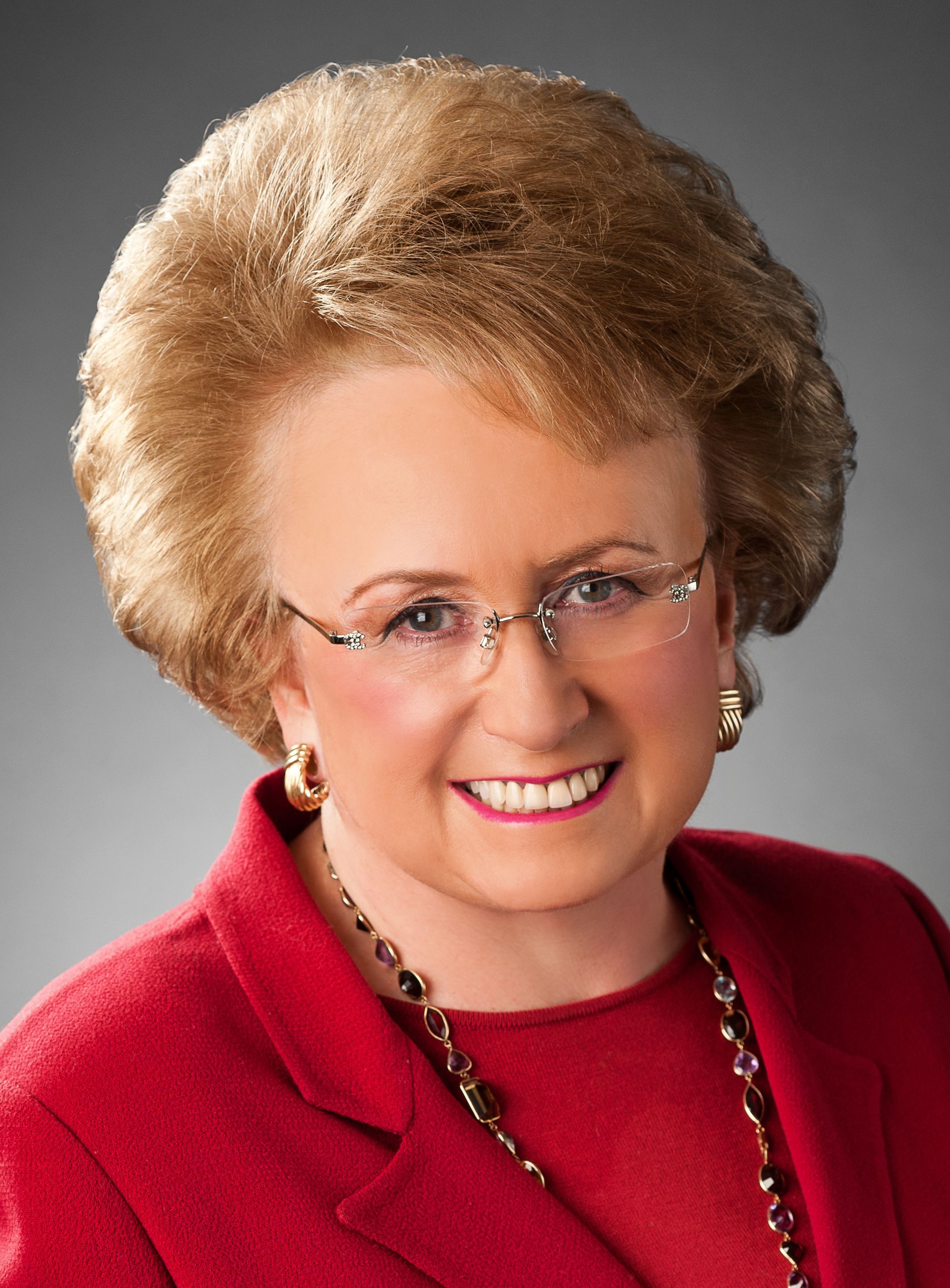
As we mark FWA’s 70th anniversary, we are honored to recognize Joan Shapiro Green for her contributions to the FWA community. Joan will receive the 2026 FWA Leadership Impact Award at the FWA's 70th Anniversary Gala . Please join us on October 8 as we honor Joan and the legacy of leadership and mentorship that has shaped FWA for the past seventy years.
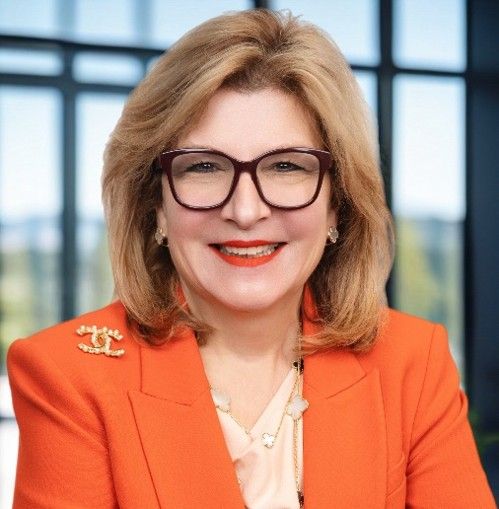
The FWA is pleased to share that Caroline Gundeck will be honored as the 2026 Financial Services Woman of the Year at the FWA's 70th Anniversary Gala on October 8, 2026. Caroline Gundeck is a Managing Director and Head of Client and Field Engagement for Morgan Stanley Wealth Management. In her role, Caroline is responsible for strategically connecting Financial Advisors and their clients and prospects to all key areas of the Firm to showcase the strength and depth of the Firm’s vast resources. She proactively focuses on UHNW clients’ needs across all segments and identifies customized and comprehensive solutions to deepen client relationships.
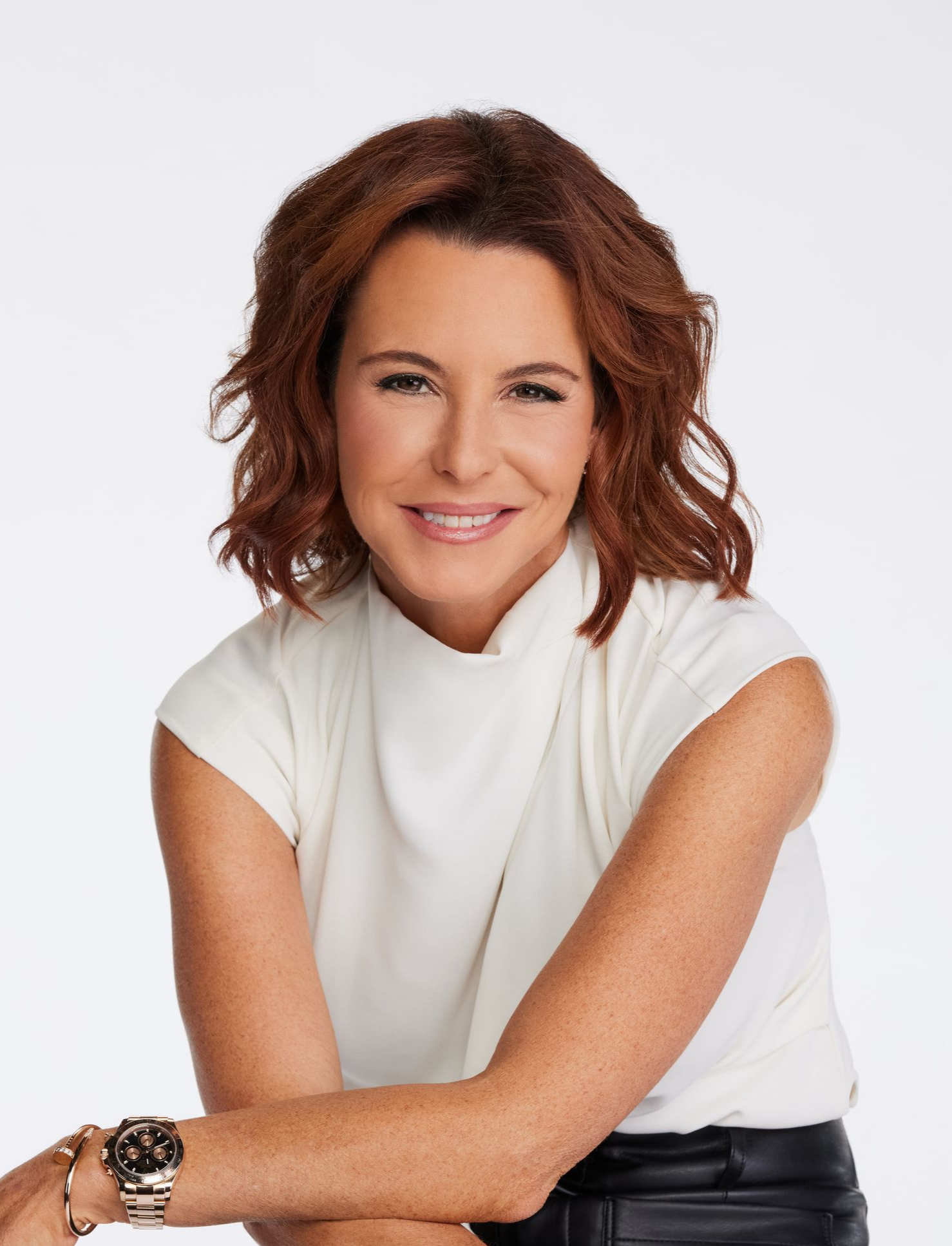
The FWA is pleased to share that Stephanie Ruhle will be honored as the 2026 Private Sector Woman of the Year at the FWA's 70th Anniversary Gala on October 8, 2026. Stephanie Ruhle is the host of MS NOW’s Money Power Politics with Stephanie Ruhle and serves as MS NOW’s Senior Business Analyst, appearing across all linear, digital, and social platforms. Ruhle is known for her business acumen, hard-hitting style, original reporting, and for bringing humanity to her news coverage. She is also the co-host of the live, weekly Q&A show, “ Velshi & Ruhle: Full Disclosure ,” part of the MS NOW Membership. Ruhle has interviewed leaders in politics, business, entertainment, and sports ranging from President Biden to Stephen Curry, from Jamie Dimon to Jamie Lee Curtis. As a Wall Street veteran, she is known for bringing her business acumen and hard-hitting style to high-profile interviews, for her original reporting, and for bringing humanity into her news coverage.
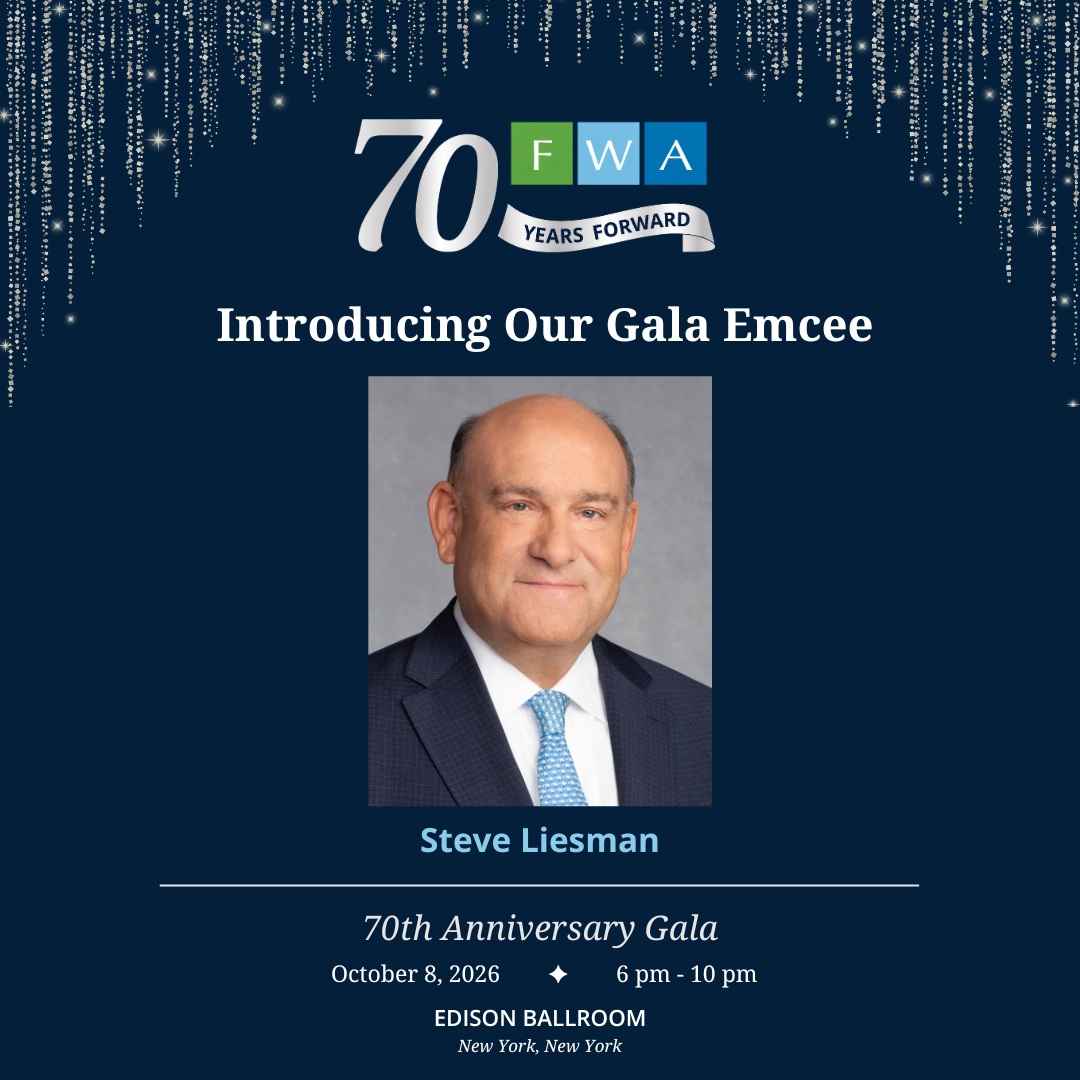
We are pleased to announce Steve Liesman, CNBC’s senior economics reporter, as emcee of the FWA's 70th Anniversary Gala on October 8, 2026. As CNBC’s senior economics reporter, Steve Liesman reports on all aspects of the economy, including the Federal Reserve and major economic indicators. He appears on “ Squawk Box ” (M-F, 6 AM-9 AM ET), as well as other CNBC programs throughout the business day. Liesman joined CNBC from The Wall Street Journal , where he served as a senior economics reporter covering monetary policy, international economics, academic research, and productivity. At the Journal , Liesman previously worked as an energy reporter and Moscow bureau chief. He won an Emmy for his coverage of the financial crisis and was a member of the reporting team recognized with a Pulitzer Prize for stories chronicling the crash of the Russian financial markets.
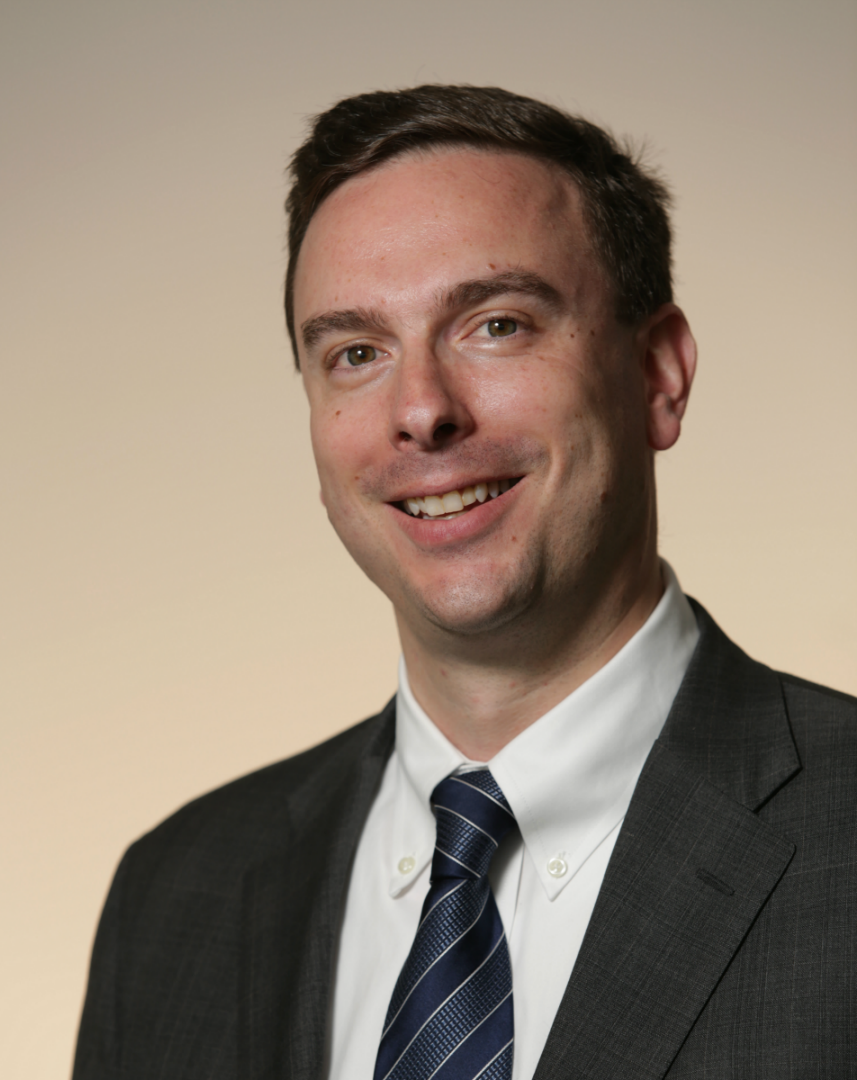
The FWA is pleased to share that Jonathan Dambrot will be honored as the 2026 Male Ally of the Year at the FWA's 70th Anniversary Gala on October 8, 2026. Jonathan Dambrot is CEO and Co-Founder of Cranium AI, the independent end-to-end platform for enterprise AI security and governance. He has built a category leader once before — and is doing it again for the AI era. Before Cranium, Jonathan grew Prevalent from a startup into a Gartner- and Forrester-recognized leader in third-party risk management, through its 2016 sale to Insight Partners. As a Partner at KPMG, he led third-party security globally, launched the firm's AI security services, and incubated Cranium inside KPMG Studio — spinning it out of stealth in April 2023 on a simple thesis: every SaaS application is now an AI application, so every SaaS risk is now an AI risk.
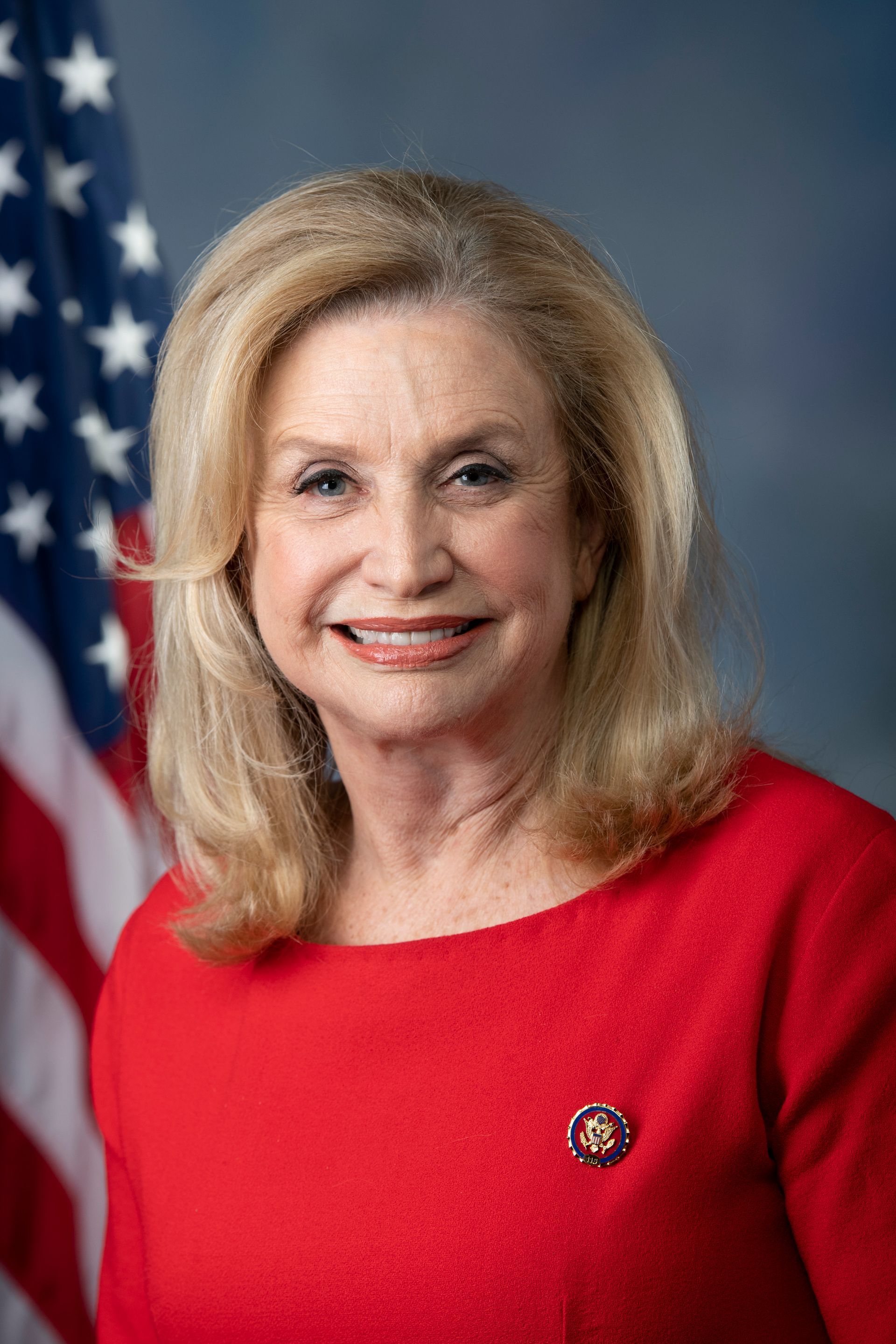
The FWA is pleased to share that Carolyn Maloney will be honored with the 2026 Lifetime Public Service award at the FWA's 70th Anniversary Gala on October 8, 2026. We look forward to introducing additional honorees in the weeks ahead.
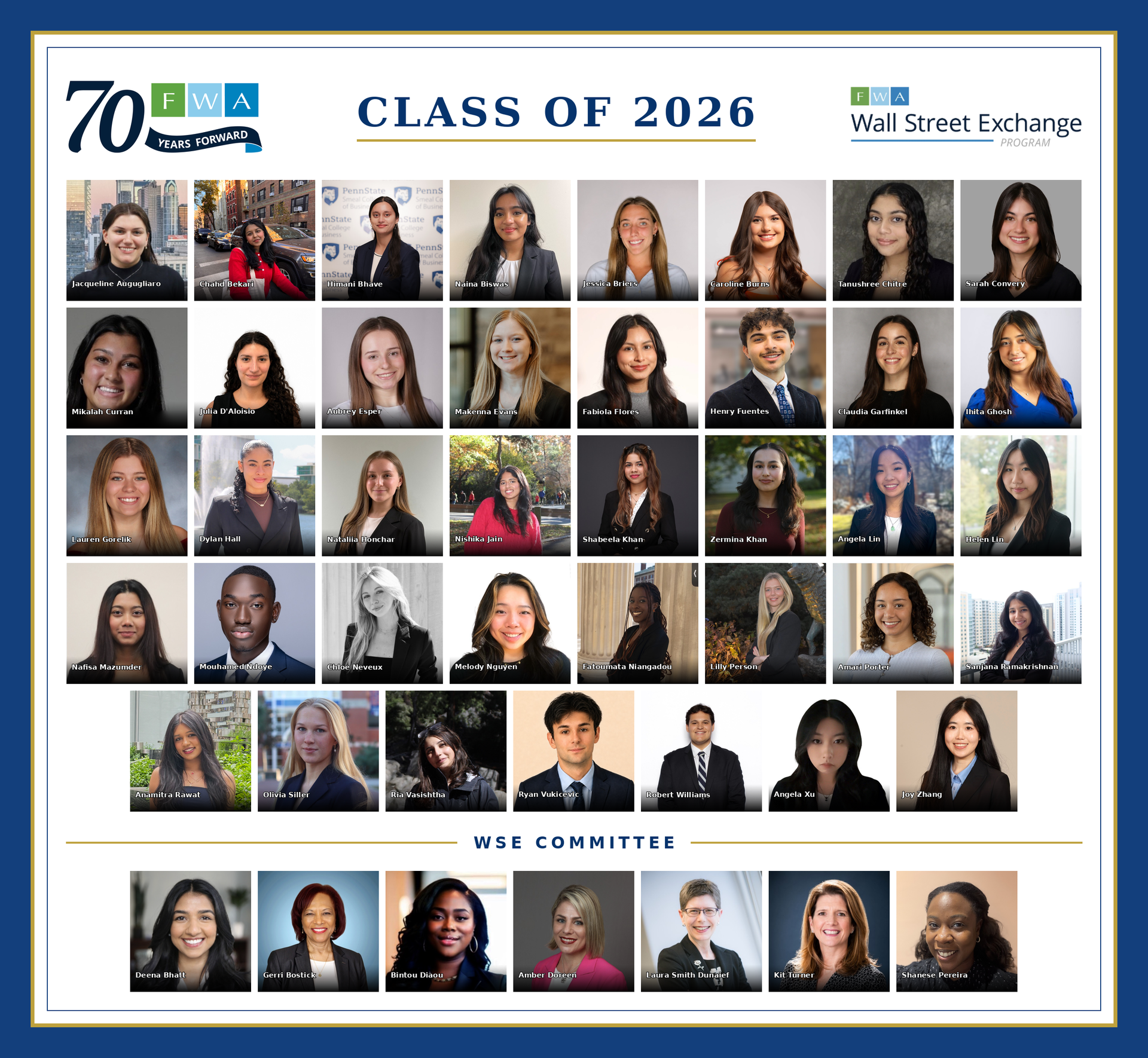
The Financial Women's Association celebrated the graduation of 39 students from the 2026 Wall Street Exchange (WSE) Program , closing a milestone year as the program marks 50 years of connecting students with industry leaders. This year's cohort interned at 18 firms and represented 28 colleges. On Tuesday, July 28, FWA President Albana Theka opened the virtual celebration with words of wisdom to the interns on their entry into their first career positions and advice about how to apply their program learnings. She invited them to join the FWA as students, so they can continue to take advantage of FWA’s rich resources and vast network of financial services professionals. Co-Chair Gerri Bostick then introduced Chen Rao, Vice President, Global Markets ALM Treasury at BNP Paribas, the keynote speaker. Chen is a former Wall Street Exchange intern and a former member of the program committee, and she shared the value of these experiences to her career. She also spoke about the characteristics needed to succeed and offered practical advice on how to excel early in one's career. The interns met in breakouts to share their summer experiences along with key WSE program takeaways they plan to carry forward into their careers. They then participated in a fun Wall Street Exchange quiz game where they tested their knowledge from the sessions they attended and earned prizes. The high level of engagement throughout the summer was evident in their ability to answer all the prompts accurately. Wrapping up the celebration, Co-Chair Laura Smith Dunaief announced the graduates followed by special recognition of those who attended all seven sessions. Twenty students will receive free CFA Society student memberships. Throughout the program, the Wall Street Exchange cohort met with industry professionals, asked sharp questions about AI and the future of work, and built relationships that will extend well beyond graduation. They came curious. They're leaving connected. Congratulations, 2026 WSE cohort! We're looking forward to staying connected as you build what's next. The WSE Co-Chairs, Gerri Feemster Bostick and Laura Smith Dunaief, and the WSE Committee extend their sincere appreciation to FWA President Albana Theka, Chen Rao, BNP Paribas, and the CFA Society New York for their support in making the closing session a success. We also thank FWA’s leadership and WSE’s volunteers, sponsoring firms, and participating employers for their continued commitment to providing this valuable experience to the next generation of financial professionals.

The FWA is pleased to share that Virginia Maloney will be honored as the 2026 Public Sector Woman of the Year at the FWA's 70th Anniversary Gala on October 8, 2026. We look forward to introducing additional honorees in the weeks ahead.

We're pleased to announce that the next cohort of the Member2Member program will run from November 2026 through April 2027. Applications are open now, and the deadline to apply is Friday, September 18, 2026 . Please note the Member2Member program is only open to FWA members. Not currently a member? Join or renew today! The FWA Member2Member mentoring program helps advance the FWA mission of accelerating leadership and success of women in the financial community. The program pairs experienced FWA members with those eager to build leadership skills and advance their careers. Our goal is to create meaningful mentor and mentee partnerships where pairs work together to identify strengths, uncover opportunities, and empower the mentee. We also encourage networking and reverse mentoring among members of the cohort. Interested in participating? Learn more here!