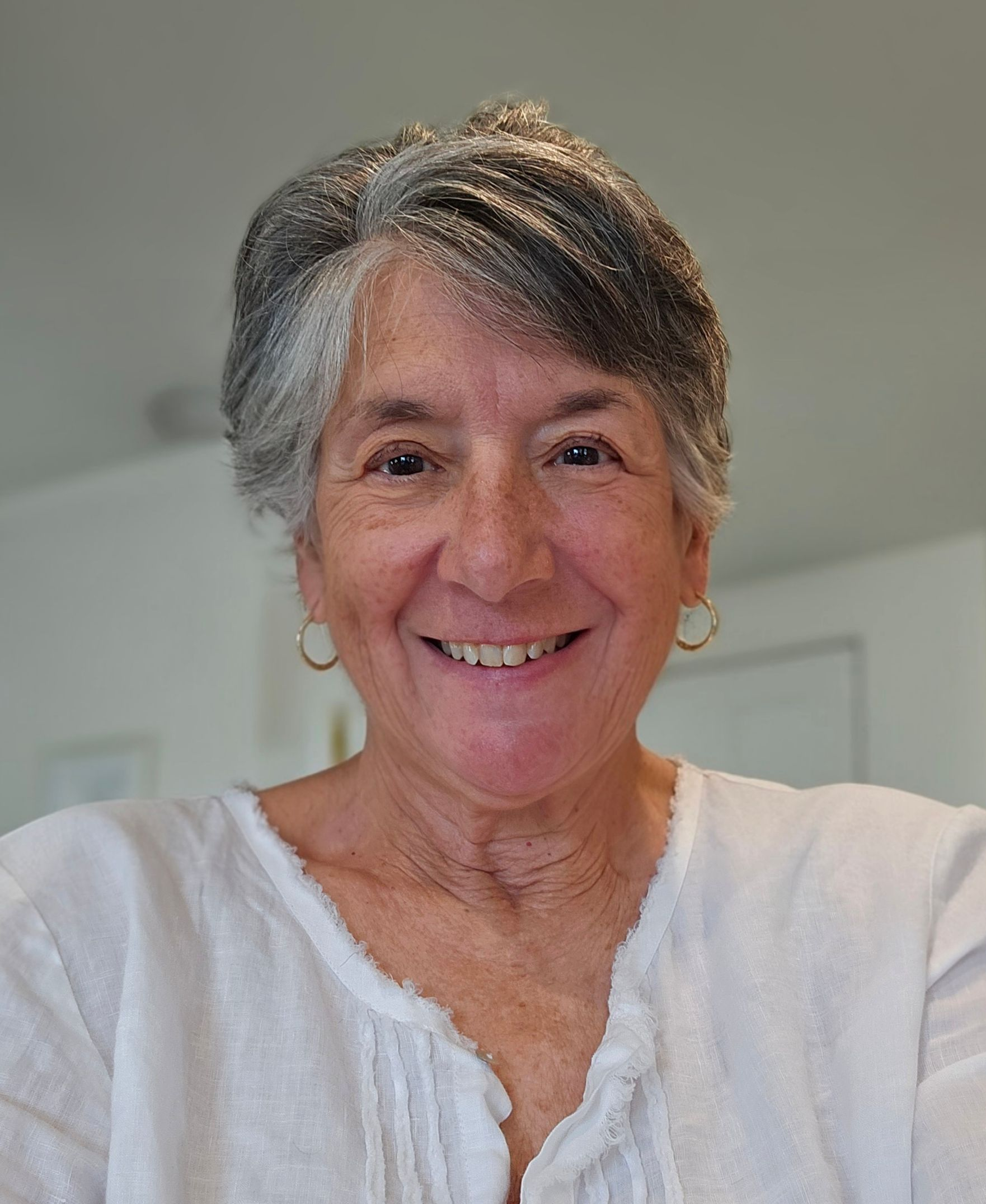
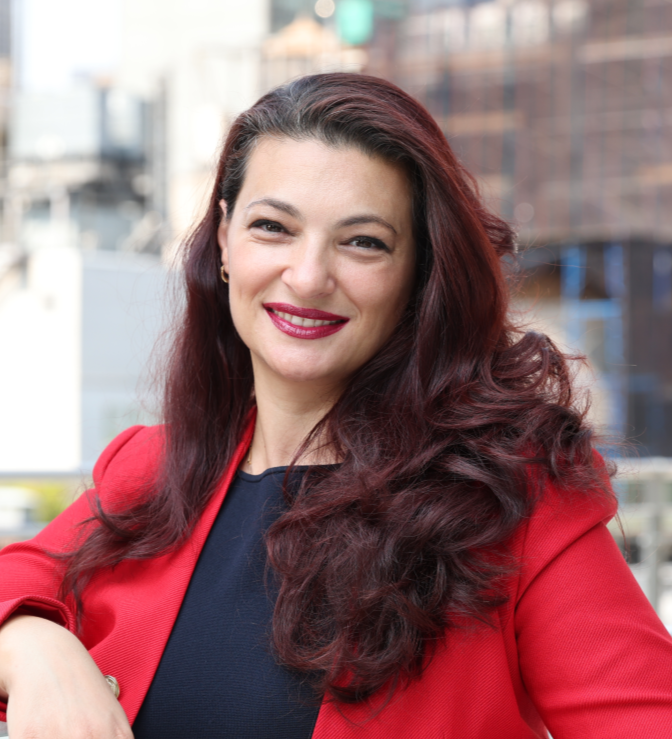
A Message from FWA President Albana Theka
When I stepped into the role of President of the Financial Women’s Association last July, I thought I understood what I was taking on. I had served on the board, co-chaired membership, spent two years as President Elect, and I knew the history the way most of us know it, in the broad strokes of dates and programs and the story of the eight women in 1956 who were turned away from an investment association and decided to build their own. What I did not expect was what happened in the weeks that followed, when
past FWA presidents
began reaching out to me one by one, not to give instructions, but to tell me their stories.
That is when it hit me. Not the title, not the gavel, but the weight of it. Every one of those women had sat where I now sit, and every one of them had carried something forward that she had received from the president before her, and the president before that, all the way back to Nancy Zuger, the first among the eight. I was not inheriting an organization. I was inheriting a relay, and the baton had been passing hand to hand for seven decades before it reached mine.
I still remember a lunch with Lily Klebanoff Blake and Joan Shapiro Green, two of those past presidents, who told me about a member whose house had burned down. What I expected to hear was a story about a career, about a deal or a promotion or a door that finally opened. What they told me instead was that the whole community came together for her, that women showed up with clothes and with everything else she needed to get back on her feet, and that nobody had to be asked. I have thought about that lunch many times since. It told me more about what this organization is than any timeline could, because the FWA was never only a network of professionals. It was, from the beginning, a group of women who had decided to take care of one another.
One of the first initiatives I launched was FWA Voices, and the reason was simple. I wanted to hear from the members themselves, the women who had been with us for five years, ten, fifteen, twenty, twenty-five, and to uncover what this organization had actually meant in the arc of their lives. What came back was not a list of programs attended or events sponsored. It was a record of resilience, of perseverance, and yes, of heartbreak, told by women who had been passed over and had kept going, who had been the only woman in the room and had made sure they would not be the last, who had lent a hand to someone younger at exactly the moment it mattered and then quietly moved on. Story after story of women pushing one another forward.
I will not pretend the history is only that. Seventy years of ambitious people in a competitive industry produces its share of rivalry, and I have heard those stories too. But when you sit with the whole of it, what triumphs is not the competition. It is the goodness. It is the kindness. It is the accumulated weight of thousands of small decisions to help rather than to hold back, and that is what built the thing I am now responsible for.
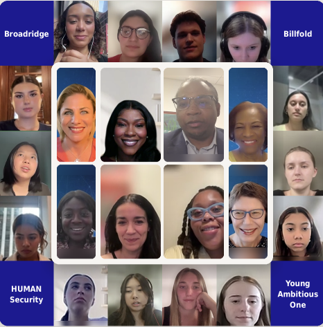
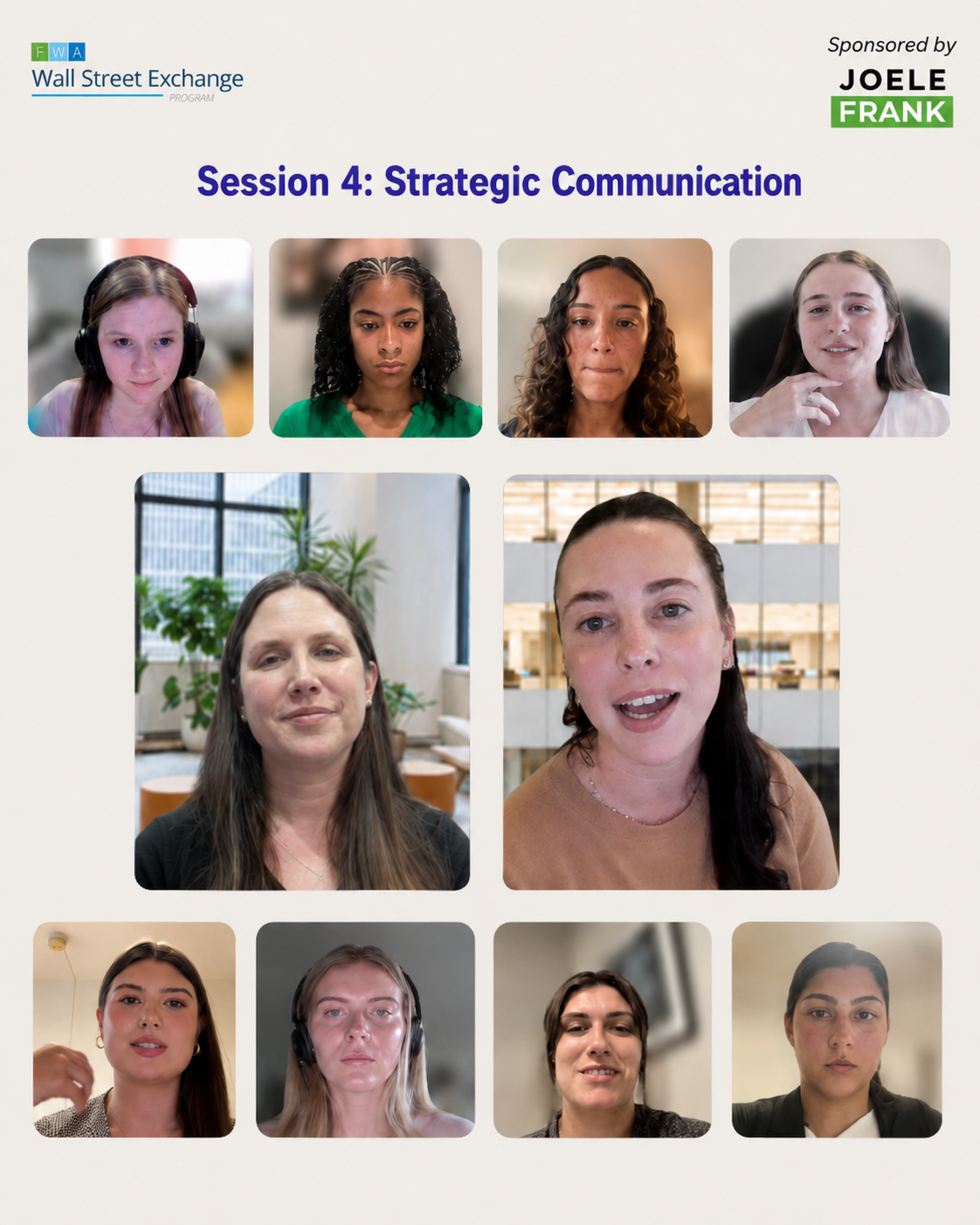
And it is a responsibility. In the grand scheme of things, holding this seat makes you feel important, because you are doing work that has been handed from president to president for seventy years, and that alone is humbling. But the other side of that feeling is heavier. You are now the one who has to make sure the legacy continues, not for another year or another term, but for another seventy. The eight founders did not take no for an answer, and that refusal became the Wall Street Exchange program, now turning fifty, and the scholarships, and the mentoring programs at the High School of Economics and Finance, at Baruch College, and at Seton Hall University, and the Financial Backpack workshops that have taught thousands of students how money actually works. None of that was guaranteed. All of it was chosen, over and over, by people who decided the work was worth doing.
So here is my call to every woman in this community, and to every man who stands with us as an ally. The challenges ahead are real, and some of them are ones the founders could not have imagined. But regardless of what comes, we have to keep bringing our best forward. We owe it to those eight women who refused to accept a closed door. We owe it to ourselves, because we are the ones who get to decide what the next chapter says. And we owe it to the generations who will come long after we are gone, who will inherit whatever we choose to build now.
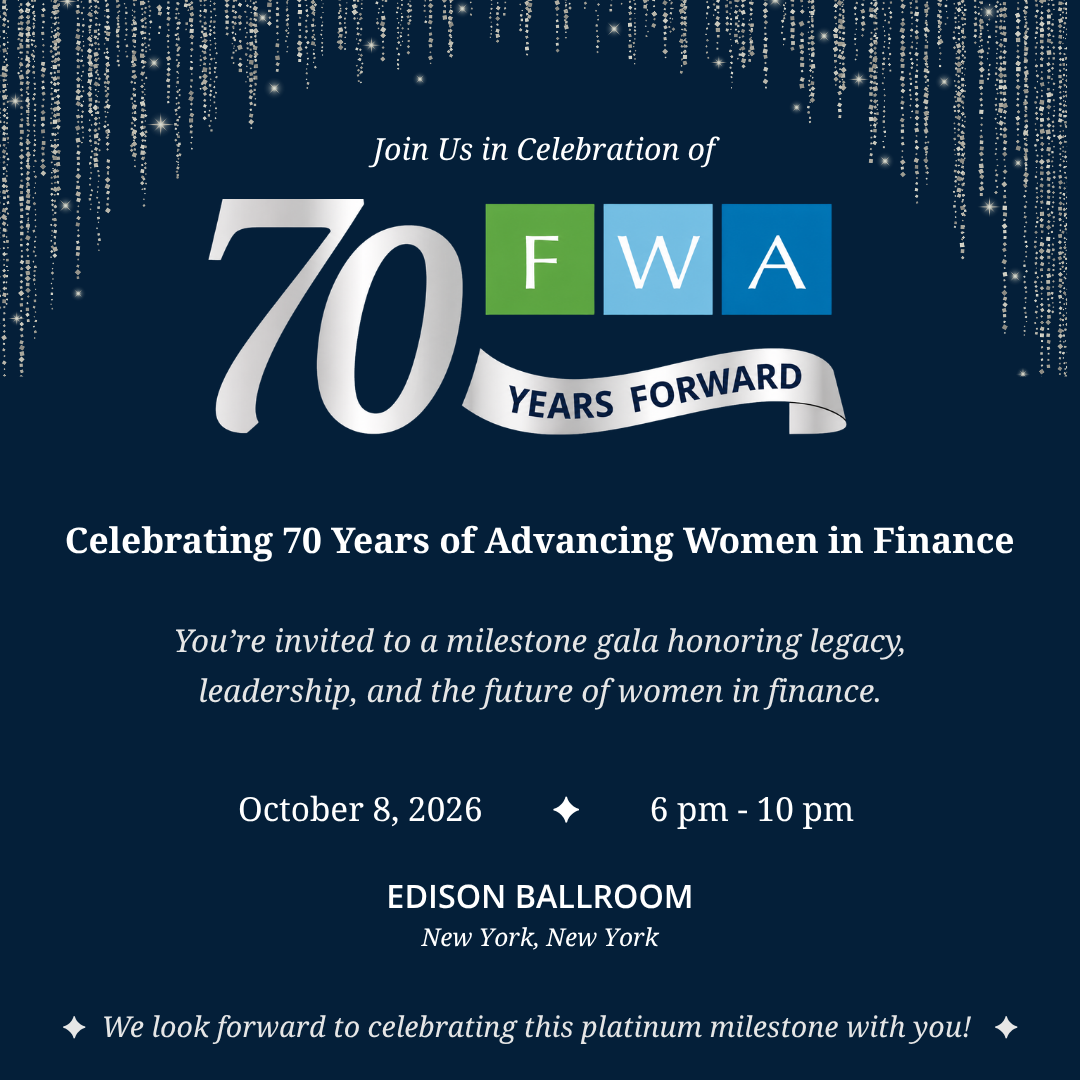
On October 8, we will gather at the Edison Ballroom to celebrate seventy years of the Financial Women’s Association. We will honor the trailblazers, recognize the educational programs that have shaped generations of members and alumni, and mark the milestones that got us here. I hope you will join me. Not only to celebrate what was, but to stand with the people who will carry this forward long after any of us has set the baton down.