Building and retaining leadership and a pipeline for the future
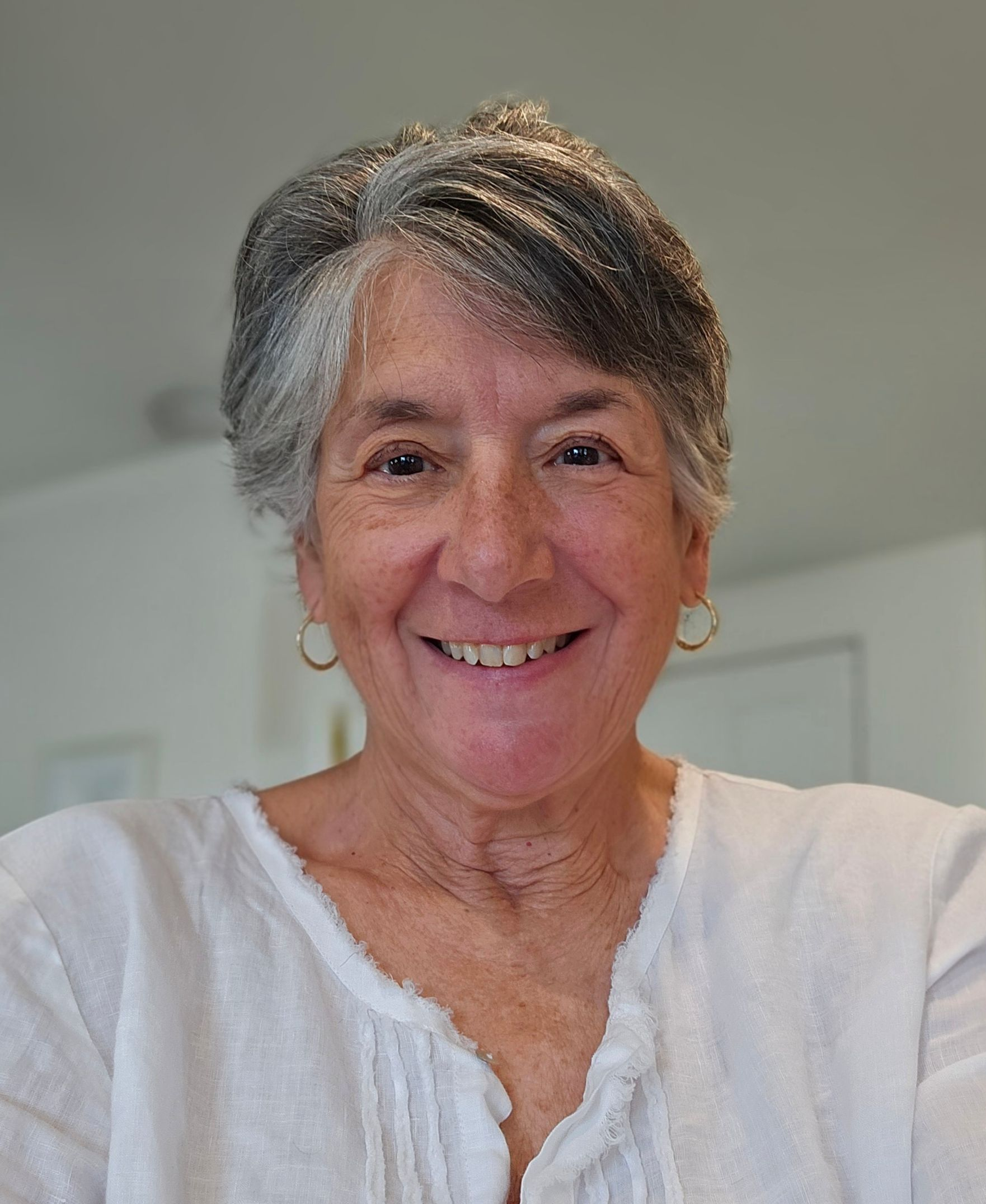
Ariel Boverman is a human resources (HR) professional who has used her expertise to guide executives though organizational change at top firms including Marsh and McLennan, PwC, EY and Wells Fargo Advisors. She represents the Nominating Committee on the FWA’s board, and previously, she served on the board of the Society for Human Resource Management (SHRM). In her free time, Ariel loves engaging with diverse people and cultures and being a tourist in her own city.
Sherree DeCovny, co-chair of the FWA’s Marketing & Strategic Communications Committee, spoke with Ariel about her background and her role in helping the FWA ensure sustainability through strong leadership.
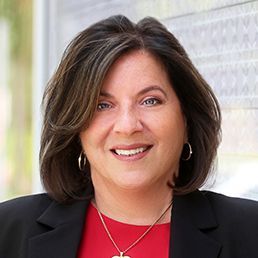
Sherree: What’s your professional background, and why you chose to go down that path?
Ariel: Originally, I wanted to be a lawyer, so I studied political science at Queens College, City University of New York. I was recruited to the Student Faculty Disciplinary Committee, and I was a student senator for four years. I also lobbied in Albany, set policy and participated in panels to hire some senior leaders at Queens College.
However, I took a class called “Personnel,” and I fell in love with HR. I like helping people, and that was the focus of HR at the time. Nowadays, HR is all about organizational change, employee engagement, manager, leader effectiveness and risk management.
I’m a continuous learner, so I earned an MS in Human Resource Management and Labor Relations at New York Institute of Technology School of Management. In addition, I recently earned a Diploma in Transformational Coaching from NYU’s School of Human Capital Management, and a Diversity, Equity & Inclusion Certificate from University of South Florida, MUMA School of Business.
As a young human resources professional, totally engrossed in my job, I knew that if I didn’t develop a network and keep my skills fresh, I would have a problem later on in my career. I joined the New York Chapter of the SHRM and was an active participant for 18 years. I met many people through the multiple functions I performed at that organization. I was voted to the board and ran the Global Human Resources Director Group for 15 years. I organized five thought leadership events a year for 15 years for the most senior global HR professionals in New York. I also served as president-elect for one year.
Currently, I’m on a career break for elder care, but I’m constantly sharpening my knowledge and skills – especially in AI and employment law – so I’m ready to go back into the workforce. As a volunteer, I apply my experience and skills to add value to the FWA’s programs. I also co-lead a weekly executive roundtable with more than 100 executives, facilitating job search and career discussions. This is crucial during these challenging times, helping executives pivot their functional roles and industries.
Sherree: How long have you been a member of the FWA, and what was your leadership journey with the organization?
Ariel: I’m starting my fourth year as an FWA member, but it feels much longer because I’ve done so much. I joined the organization when I worked at Wells Fargo Advisors, which was a President’s Circle member of the FWA. My first role was to co-lead the Back2Business program, which was designed to help women return to the workforce after a career break. I also joined the Membership Committee because I have a lot of experience in membership and engagement.
Within about a year, I had a conversation with several FWA leaders, who thought I would be good candidate for the board. I expressed interest in the Nominating Committee because it focuses on talent and succession planning – a very important HR function. I was elected to the board, and I’ve served as chair of that committee for the last two years. I’m also co-lead for the Pacesetters Leadership Development program.
I’m excited by my work at the FWA because I’ve led a team that has contributed to building and retaining our leadership and a pipeline for the future. Putting processes in place to ensure that we’re getting the right leadership is very dear to my heart.
Sherree: What skills and expertise do you need to be an FWA board member?
Ariel: First, you have to be committed to the FWA’s mission and membership. You need to come to meetings with ideas and be prepared to discuss issues and make decisions. Being a good board member is about building trust and relationships. If you say you’re going to do something, you need to actually do it. You’re expected to contribute your skills, experience and connections to further the FWA’s mission. Finally, you need to be an ambassador for the organization to expand our membership and endowment.
Sherree: How did you benefit from your FWA experience, both personally and in your career?
Ariel: I’m giving back by contributing my HR experience and skills to a community of female leaders currently working in financial services as well as younger women who aspire to have a career in the industry.
In addition, the FWA has enabled me to enhance my leadership skills, especially motivating unpaid professionals to accomplish shared goals for a nonprofit.
Sherree: The world has changed a lot over the last few years. What are the FWA’s biggest opportunities?
Ariel: The FWA is planning to roll out many new initiatives over the next few months to refresh our programs and activities, as well as enhance our leadership and culture. We embrace innovation to lead change in finance, leadership and women’s advancement.
Sherree: What career advice do you have for our current and prospective members? How can the FWA help them achieve their goals?
Ariel: Make time to build your network both internally at your company and externally. Join the FWA, volunteer on committees and take leadership roles. The FWA needs volunteers who are passionate, dedicated and want to help us grow.
Volunteer leadership provides valuable experience to help sharpen your skills and expand your professional network that advance your career and shape the FWA’s future. Many of these positions offer off-the-job-training for on-the-job-growth. Stretch in a collaborative environment, and be prepared for the next level.