Administrative and fiduciary oversight ensures FWA operations run smoothly
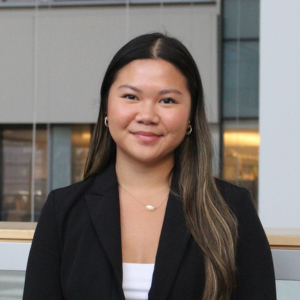
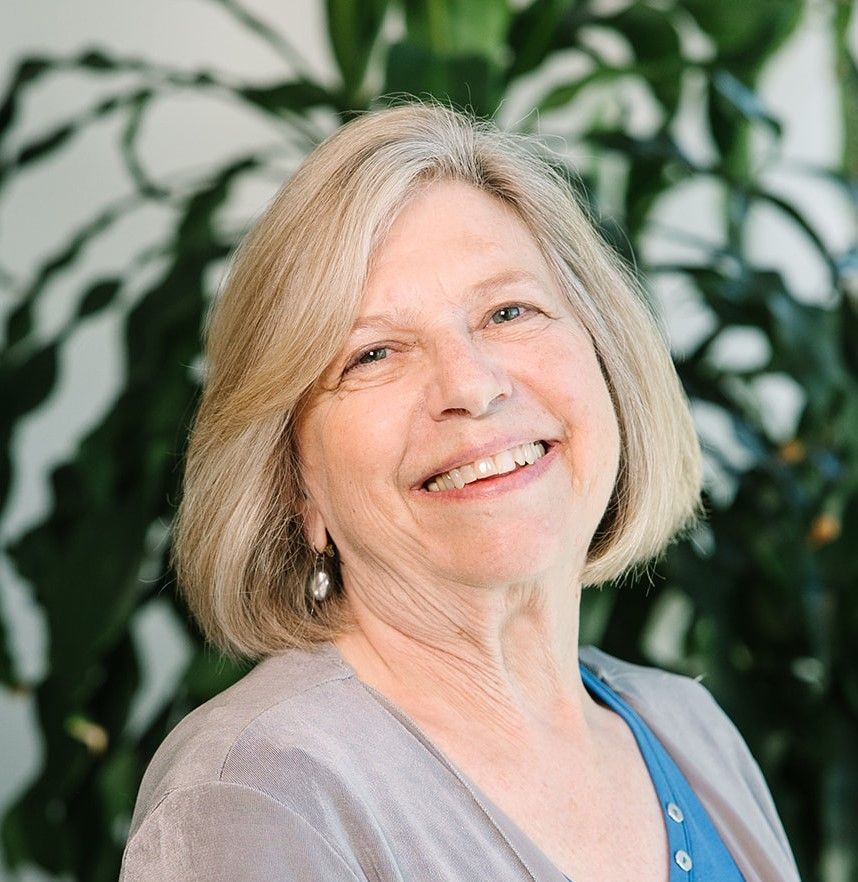
Few people know the workings of the Financial Women’s Association’s (FWA’s) office better than Past FWA President Katrin Dambrot (2015-2017) and current chair of the FWA’s Operations Resource Committee (ORC).
In a Q&A session with Sherree DeCovny, co-chair of the Marketing & Strategic Communications Committee, Katrin talks about how the FWA enabled her to build valuable business and leadership skills to advance her career. She also explains the critical role the ORC plays in supporting and overseeing the FWA’s office.
Sherree: Katrin, to start off, please tell us about your career?
Katrin: I owe my career largely to serendipity. Something would fall in my lap, and I would make something of it.
When I was studying economics in college, I participated in a work program in Unilever’s (then Lever Brothers) market research department, where a group of us were tasked with making copies of documents after-hours. I kept breaking the copier, so it was either fire me or find something else for me to do. I ended up working on a giant forecasting model that was being built across the company’s soaps and detergent products. Ultimately, I was much better at analysis than I was at copying. Based on my performance on the project, Unilever offered me a graduate summer internship, although I was still an undergraduate, and a few months later offered me a full-time job if I agreed to finish my degree at night. That’s how I launched my career.
Later, I was recruited to Pepsi’s Marketing Group at a time when new products and packaging were launching. It was an exciting time at Pepsi, and I learned a different approach to distribution and promotion.
Then I joined Seagram. I was promoted and given the opportunity to hold the top management development spot in the company, chief of staff to the president. It was a heady life – two years of corporate jets, high-level meetings and a view from the top of a corporation that at the time was the industry leader globally. My predecessor in the development spot became the next president, and I moved on to financial services, which was recruiting heavily from consumer packaged goods companies because of deregulation.
I ended up in companies that faced three hostile takeovers or sell-outs in five years. I decided to make lemonade out of lemons and started my own consulting business in 1989, Dambrot and Company. Incredible, interesting opportunities reached me through the network I had built in corporate life. I consulted with major companies and was asked to work on a task force for the U.N. as well as helping the Dominican Republic better understand how to build value through branded instead of generic products.
Along the way, I’ve been asked to serve as chair of the Morris County Association for Foreign Trade and have spoken to many organizations. Recently, I stepped down from a symphony board, and I currently serve as Chair of the Board of Governors of Antioch University.
Sherree: What was your journey at the FWA?
Katrin: I was invited to an FWA signature event in 2004. I was so impressed by the caliber of the audience that I joined the organization and signed up to participate on the Marketing Committee.
A few years later, I invited a colleague, who was looking for a not-for-profit role, to an FWA Not-For-Profit Committee meeting so she could network. I ended up being asked to co-chair that committee in 2009. That was during the Great Recession, when many people in financial services lost their jobs. We invited top speakers to educate our members on governance and fiduciary duty, and ultimately, our well-attended events were profitable for the FWA. Ironically, I’m probably the only person in the FWA’s history to rise to president from the Not-for-profit Committee.
Next, I was put on the board as a vice president. I chaired the trip to Berlin in 2013, which was extremely successful in terms of participation and fundraising for the FWA. That event put me on the Nominating Committee’s radar screen, and I was chosen as the next president-elect and then president. At the time, presidents served for one year, but the FWA changed the bylaws so I could serve for two years. The FWA was navigating profound structural changes, so it was beneficial to maintain the same leadership.
I am particularly proud of my role in founding/guiding both the Pacesetters Program as well as the Back2Business Program. While I was president, I also mentored a Baruch student as part of our involvement there.
After I was president and past president, I stepped into my role on the ORC, which I chaired from 2018 to 2021. I took a breather, and in 2023, I was invited to chair the Committee again.
Sherree: What is the ORC’s remit, and why is it important to the FWA?
Katrin: The FWA office is the infrastructure that supports the educational and networking programs and events, maintains our website, and ensures that the organization runs smoothly. Essentially, our committee is the administrative oversight of the infrastructure. It focuses on policies, plans and issues pertaining to the FWA office and staff. We oversee FWA personnel issues, staff benefits, wage structure, technology and communications plans and strategies, in addition to facilities requirements. If needed, the Committee coordinates with the FWA’s counsel and recommends appropriate actions to the board. Given the fiduciary responsibility, all members of the Committee must be FWA board members, and currently, there are three of us.
ORC members must be well-versed in the operations of the office. We ensure that insurance policies are reviewed, renewed or changed on time. We don’t do the audit, but we ensure that our 990 filing – a lengthy, complicated tax return for not-for-profit organizations – is submitted on time. Importantly, we oversaw the move from a physical office to a virtual office during Covid and oversaw the development of a new staff handbook. We’re responsible for reviewing the administrative budget, which is part of the overall budget. In 2023, we were involved in the development of a new accounting manual.
Sherree: What should current and prospective FWA members take away from your experience with the organization?
Katrin: My leadership roles at the FWA allowed me to develop the relationships and skills I needed to expand on an interesting and rewarding career. I wouldn’t be where I am today if it hadn’t been for the FWA. I encourage everyone to take advantage of all that the FWA has to offer.
Build your connection with the FWA! Learn about how to get involved with FWA committees here.