Spotlight on the Finance Committee
Building a self-sustaining source of funding to support the FWA’s mission
The FWA runs myriad enrichment initiatives and networking events – from the Annual Summit and International Business Conference to the Pacesetter, Wall Street Exchange, financial literacy, mentoring and Back2Business programs. None of this would be possible without the Finance Committee, which monitors the operational costs of the association and manages the organization’s endowment, among other functions.
When Carol Chan joined the FWA, she quickly identified where she could make a difference, given her knowledge and expertise in pension and endowment investing across multiple asset classes. Sherree DeCovny, co-chair of the Marketing & Strategic Communications Committee, talked with Carol about her professional background, why she joined the FWA, her role as assistant treasurer, and how she has benefited from her membership.
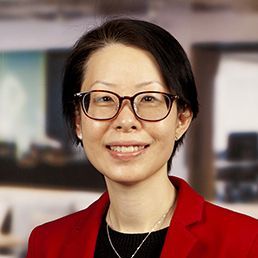
Sherree: Carol, please tell us about yourself and your professional background.
Carol: I’m originally from Hong Kong. My sister is a doctor, and my brother was trained as an engineer, so my tiger parents wanted me to be a lawyer. However, my interests lie elsewhere. I enjoyed economics when I was in school, so I ended up majoring in business in college.
I started my career thinking that I would become a CFO, but a friend suggested that I should consider becoming a CFA charterholder. As I studied for the CFA exams, I found that I enjoyed doing research and analysis. After I did my MBA at the London Business School, I had the opportunity to change my career path and became an investor.
Currently, I’m the deputy chief investment officer at EY. I manage the retirement plan investments for over 92,000 active and retired staff and partners in the firm. During my tenure with EY, our retirement assets have grown from $8 billion to over $27 billion.
I love being an investor because the market is very dynamic. I’m always learning new things and meeting smart people. Over the years, I’ve honed my skills in the public markets, and become a subject matter expert on asset allocation, risk management while also being able to make informed decisions on private markets and alternative investments. I believe being well rounded in a variety of asset classes has helped to make me a better investor.
In addition to my day job, I leverage my investment experience to help the FWA and two other nonprofit endowments, which focus on empowering women, environment/conservation and STEM respectively. It’s my passion to make a difference for others and in my communities.
Sherree: Why did you decide to pursue a leadership role in the FWA?
Carol: When I first joined FWA in 2020, I intended to become a mentor for Baruch College and Seton Hall students. When I discovered that the FWA had a small endowment fund, I realized that I could leverage my work experience to help the organization grow the fund. To me, that’s a great way to give back.
I was excited to join the Finance Committee as an assistant treasurer, which is a board position, because I believe in the FWA’s mission, and all our activities require funding.
Sherree: Please tell us about the Finance Committee and your role within it.
Carol: The Finance Committee meets monthly to discuss the FWA’s financials. Sometimes we collaborate with other committees. For example, we worked with the Operations Resource Committee (ORC) to modernize the FWA’s operating manual.
When I first joined the Finance Committee, we were working with a financial advisor, who in my opinion wasn’t serving our needs. I spoke to the other committee members, and we came to the consensus that we should do an RFP to solicit candidates from several firms. That was a heavy lift on my part. Ultimately, we hired our current financial advisor, who is from J.P. Morgan Private Bank.
Sherree: How have you benefitted from the FWA personally and professionally?
Carol: I was late in realizing the benefits of having mentors and sponsors in my career, so when I joined the FWA, I participated in the Member2Member mentoring program. I was paired with a board member who had years of financial services experience and had just retired. She helped me with some challenges that I was facing at work and gave me good career advice. I’ve learned valuable leadership skills from fellow board members, and I’m grateful for the relationships that I have developed through the FWA.
Having been a mentor for the Baruch College and Seton Hall students has been personally rewarding. I came to the U.S. as an immigrant. I like to share my career, life and cultural experiences with minority students so they can benefit from the lessons I’ve learned over the years. For example, Asian women tend to keep our heads down, do our work and build technical skills. However, our contribution isn’t always recognized. I learned that you have to make yourself visible. I always encourage the students not to be shy in group settings and use their internships as opportunity for practice. For example, they should speak up at the beginning of meetings so that their presence is noticed, be the first to share ideas, and build relationships early and often.
Sherree: What would you like to see the FWA do in the future?
Carol: The FWA was originally established by women on Wall Street, but the organization’s mission is to advance women across the entire financial community. I would like to see our membership expanded to include women in finance functions across all industries. I would also like us to survey our constituents periodically to ensure that we offer events and programming that keep our members engaged and enable them to build skills to advance their careers.
Sherree: What advice to you have for other members in terms of getting the most out of their FWA membership?
Carol: Being a member of a professional association is like managing your career. How much you get out of it depends on how much you put in. I’d like to see our members become more active in our many standing and programming committees, e.g. Fintech, Impact Investing. It’s a great opportunity to build skills and expertise, and network with likeminded women.