Giving back by fostering engagement through education & mentoring
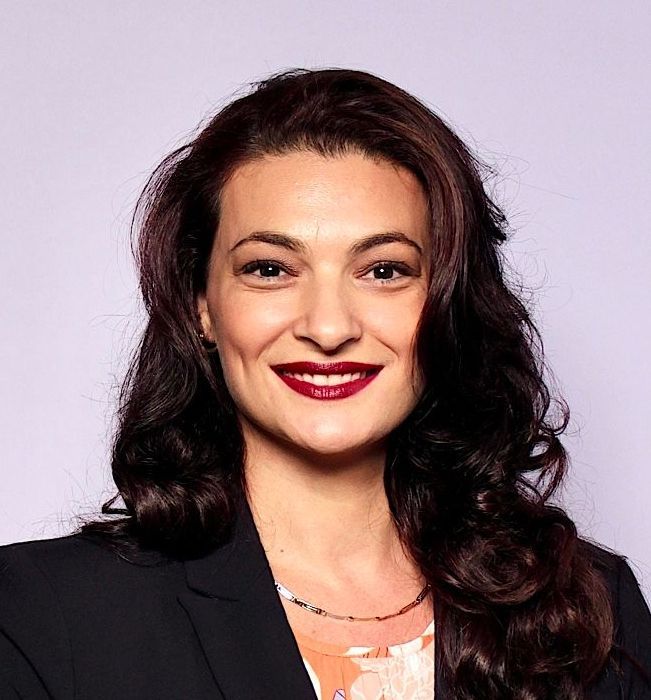
A director-at-large is a member of a governing board or organization who has flexible duties and is available to take on tasks as needed. No one is better suited to fill that role at the FWA than Erica Benjamin.
Erica is a master juggler who is always ready to step in wherever she’s needed without missing a beat. By day, she serves in a high-powered, senior management role as a transformational leader in BMO’s U.S. CEO Office, managing the Enterprise Wide Regulatory Program Management Office. By night and at the weekends, she’s the mother of a high school travel hockey player and a middle school daughter involved in various sports and Girl Scouting events.
Sherree DeCovny, co-chair of the FWA’s Marketing & Strategic Communications Committee, talked to Erica about her decades-long career in the financial services industry and how the FWA has contributed to her success.
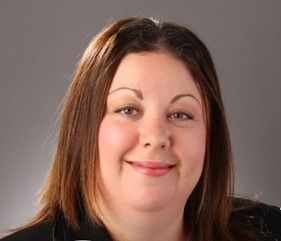
Sherree: Erica, to start off, please tell us about your professional career journey?
Erica: My career in financial services spans more than 30 years. After I graduated from university, I joined the analyst program at Lehman Brothers, and up until two years ago, I worked in capital markets. I’ve done everything from sales, trading and operations to program management and senior level management.
Things haven’t always been smooth sailing. I survived 9/11. Then during the 2008 financial crisis, thousands of people were displaced, and my career went away overnight. I had to find my support system, rebound, redirect and build myself back up. Luckily, Barclays acquired Lehman Brothers’ investment banking business, and I was part of that buyout. The six months I worked for Barclays was the toughest time of my life. I just had a baby, and I only took a three-week maternity leave because I was fighting for my job. Several of us left Barclays and went to Nomura, which wasn’t a good fit for me, but I was thankful to have a job.
I got my job at BMO by leveraging my contacts from Lehman Brothers. I learned an important life lesson: The best jobs aren’t the ones that are posted, they’re from referrals from your network. The more people you know, the more opportunities come your way.
About three years ago, BMO decided to purchase Bank of the West, and I was asked to leave capital markets and move to the central M&A team to help with the acquisition. As a chief administrative officer, my responsibilities ranged from real estate to professional development. That’s when I became involved with diversity, equity and inclusion initiatives and groups such as the FWA.
The Bank of the West acquisition was completed in September 2023, and the bank is much bigger now. I currently work for the chief administrative officer for the U.S. holding company, and I run various regulatory program management initiatives.
Sherree: How long have you been a member of the FWA?
Erica: BMO has been a President’s Circle member of the FWA for about seven years, and I joined the FWA through the BMO relationship. I’m proud to say that BMO supports various education-oriented nonprofits, including the FWA’s education portfolio.
I enjoyed attending the FWA events and meeting people in the organization, but I had to take a step back when I transitioned from capital markets to an enterprise role. However, I’ve become more involved in the FWA and other women’s networks over the past year.
Sherree: Why did you decide to pursue a leadership role in the FWA?
Erica: I joined the FWA’s board in June 2024. I serve as director-at-large, but I don’t actually serve on any specific committees yet, although I’m sure I will soon. I’m particularly interested in education and mentoring. I’m currently working with Jackie Linden to review the educational portfolio. I also joined a special committee tasked with getting FWA members and the board more engaged.
Sherree: How have you benefitted from the FWA personally and professionally?
Erica: It all comes down to networking with likeminded, smart people who have been through a lot in their career. It’s so important to have that network of women who can lift you up and give you support along your career journey. Tons of job opportunities come about just by talking to people.
What I like about the FWA is that it’s multigenerational. We have members who have been in the industry for several decades, and they bring a high level of knowledge, expertise and guidance to the table. We have members who serve in middle management roles. And at the other end of the spectrum, we have young members at the very beginning of their careers.
In addition, I think the FWA’s content and events provide a great opportunity for professional development.
I’m at a point in my career where I hope the end is closer than the beginning. I feel like it’s my turn to give back because I’ve been very fortunate to have people help me along the way with mentorships and job opportunities. That’s one of the main reasons why I joined the FWA – to give back.
Sherree: What would you like to see the FWA do in the future?
Erica: We’re a membership-led organization, so we need to figure out how to increase membership and attract people in different finance roles. As such, our events need to appeal to a variety of people. We also have to update our branding and expand our base of corporate sponsors.
Sherree: How can people get the most out of their FWA membership?
Erica: If you just want to join the FWA because you want your name on the list, you’re not going to get anything out of it. Get involved. Raise your hand. Go to events. Ask questions. You can’t be everything to everyone all the time, so ask for help because FWA members will come to your aid.