From Mentee to Mentor: How One Relationship Sparked a Chain Reaction of Empowerment
May 7, 2025
When Ananya Putta switched her major from biology to finance, she wasn’t just changing a field of study, she was stepping into the unknown. Like many first-generation college students navigating their academic and career choices, she was searching for clarity, confidence, and a sense of direction.
Through the FWA's Seton Hall Mentoring Program, Ananya was matched with Karen Kerby, a Partner at Prager Metis CPAs and member of the Financial Women’s Association for just over two years. What began as a formal mentorship quickly blossomed into something much deeper: a lasting, empowering relationship built on mutual respect, shared ambition, and authentic support.
“Karen is more than a mentor—she’s a guiding light,” said Ananya. “She helped me see a future I wasn’t sure I belonged in, and she gave me the tools to move toward it with confidence.”
Karen, reflecting on their journey, noted how personal the experience was for her too. “I was a shy, uncertain young woman when I began my career. I know what it feels like to not have all the answers. I wanted to be the kind of mentor I wish I had—someone who listens, encourages, and reminds you of your worth.”
Together, they tackled mock interviews, résumé reviews, networking strategies, and those hard-to-name challenges like imposter syndrome and self-doubt. As Ananya advanced, Karen remained a steady presence, offering not just guidance, but belief.
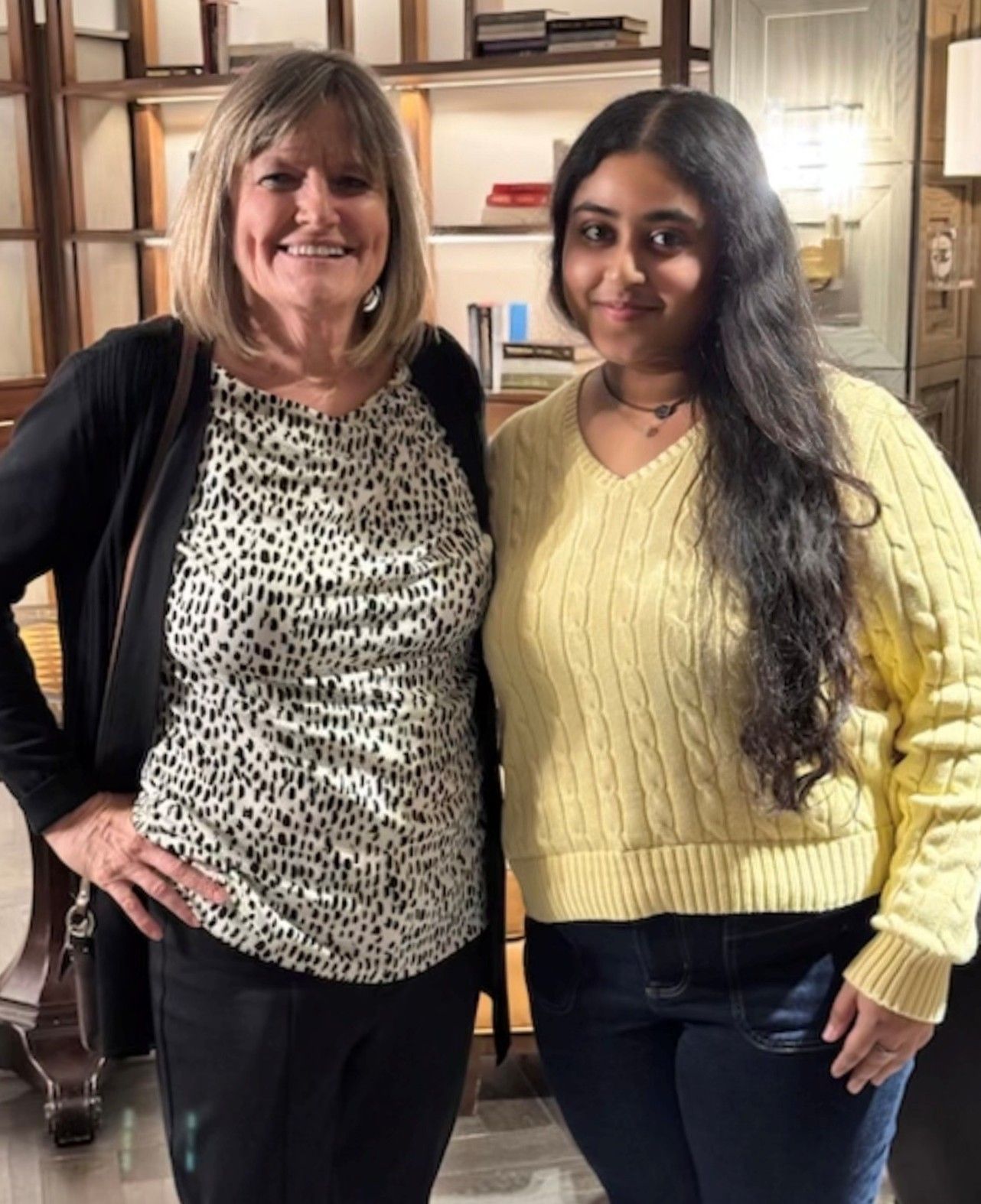
That mentorship didn’t end with graduation. Today, Ananya is thriving at a major financial firm, carrying forward the lessons Karen instilled. Perhaps the most powerful result? She’s preparing to become a mentor herself.
“Karen inspired me to give back,” Ananya shared. “I want to be there for someone like she was for me—especially young women who might not see many people who look like them in finance.”
Ananya’s journey reflects the very heart of the FWA-Seton Hall Mentoring Program, which connects undergraduate students from Seton Hall University, many of whom are first-generation college attendees, women of color, or from underrepresented communities—with professionals in finance and business. These structured, one-on-one relationships often grow into years-long bonds that open doors, build confidence, and offer a sense of belonging in industries where many young people feel unseen.
“At its core, the FWA’s mentoring programs are about access and belief,” said Olga Barskaya, Director of the FWA-Baruch College Mentoring Program. “We connect students with people who can help them navigate their futures—not just with advice, but with meaningful, ongoing support. And those relationships often evolve into lifelong connections.”
At a time when some organizations are pulling back from mentoring, inclusion efforts, and professional development for underrepresented groups, the FWA continues to double down. Since its founding, the FWA has been committed to investing in the next generation of leaders, especially women in finance, business, and STEM.
And as Ananya and Karen’s story shows, mentorship doesn’t just support one career—it ignites a chain reaction.
Get Involved
Are you a professional ready to pay it forward? Or a student seeking guidance? Join us. Learn more about our Mentoring Programs and empower the next generation of women leaders. Connect with our program leads to get started:
Baruch - Betsy Werley ([email protected]) or
Seton Hall - Laura Travers ([email protected]) or Laura Bourgeois ([email protected])